How to Get Erections Back While on SSRIs

You started taking an SSRI because you wanted to feel better. And maybe you do: the fog is lifting, anxiety feels quieter, and life feels more manageable.
But somewhere along the way, you noticed something else changing. Sexual desire may feel muted. Erections may be less reliable. That spark in the bedroom can feel dimmer just as the rest of your life starts brightening.
If this sounds familiar, you are not alone. Research on antidepressant sexual dysfunction shows that sexual side effects are common during antidepressant treatment and are often underestimated when clinicians do not ask about them directly.
The good news is that you do not have to choose between your mental health and your sex life. With medical guidance, practical adjustments, and open communication, many people find ways to protect both.
Key Takeaways
- SSRI-related erectile difficulties can happen because these medications affect brain chemistry and sexual-response pathways.
- Never stop or adjust your antidepressant without talking to your prescriber first.
- PDE5 inhibitors such as tadalafil have shown benefit for men taking antidepressants who experience erectile difficulties.
- Exercise, sleep, stress management, and alcohol moderation can support erectile function alongside medical strategies.
- Open communication with your partner can turn this from a source of shame into a shared problem-solving process.

Understanding Why SSRIs Affect Erections
Before diving into solutions, it helps to understand what may be happening in your body. SSRIs work by increasing serotonin activity in the brain, which can help regulate mood and reduce anxiety.
But serotonin does not operate in isolation. It interacts with other neurotransmitters and pathways involved in desire, arousal, orgasm, and erection quality.
The Neurochemical Balancing Act
Higher serotonin activity may affect sexual function in several ways:
- It can reduce dopamine activity, which may affect desire and reward.
- It may interfere with orgasm and ejaculation signals.
- It can affect genital sensation and arousal response.
- It may influence pathways involved in erection quality.
This is not your body betraying you. It is a known medication effect that can often be managed with the right support.
Which Antidepressants Affect Sexual Function?
Different antidepressants can affect sexual function differently. SSRIs and other serotonin-focused antidepressants are commonly associated with sexual side effects, though individual response varies.
A prospective study on sexual side effect rates found that sexual dysfunction varied by antidepressant type and was often underestimated without specific questioning.
Some people experience lower desire. Others notice delayed orgasm, reduced sensation, or erection changes. Some experience more than one symptom at the same time.
If your current medication is helping your mental health but affecting sex, do not make changes on your own. Your prescriber can help you compare options and decide whether dose timing, dose review, switching medications, or adding targeted treatment makes sense.
The Mindset Shift: This Is Treatable, Not Permanent
One of the most damaging parts of SSRI-related erectile difficulties is the shame that can come with them. You may worry your body is broken, or that your partner will think you are no longer attracted to them.
That shame can make the problem feel bigger. It can also stop you from asking for help.
Normalizing the Experience
SSRI-related sexual side effects are a medical issue, not a personal failing. They have been studied, clinicians manage them, and treatment options exist.
The people who navigate this most successfully often:
- View it as a medication side effect
- Talk honestly with their prescriber
- Communicate clearly with partners
- Avoid self-blame
- Stay patient while testing solutions
- Protect their mental health treatment
The goal is not to ignore the problem. The goal is to address it without sacrificing the medication support that may be helping you feel better.
Mental Health Comes First
Do not stop taking your antidepressant without medical guidance. Abrupt changes can cause withdrawal symptoms and may increase the risk of depression or anxiety symptoms returning.
That does not mean you have to tolerate sexual side effects in silence. It means the safest path is a plan that protects your mental health while addressing your sex life.
Your prescriber can help you evaluate the tradeoffs and choose a strategy that fits your situation.

Practical Strategies That Work
The best strategy depends on your medication, symptoms, mental health history, relationship needs, and medical profile. Many people need a combination of approaches.
Talk to Your Prescriber About Timing Adjustments
Some people find that medication timing affects how sexual side effects show up. If side effects feel strongest during the hours when intimacy usually happens, your prescriber may discuss whether changing the timing makes sense.
Ask your prescriber about:
- Your current dosing schedule
- When side effects feel strongest
- Whether timing changes are appropriate
- Whether your medication’s half-life matters
- How to avoid withdrawal symptoms
- How to monitor mood changes
Timing adjustments are not right for every medication. Do not change your schedule without guidance.
Explore Dose Adjustments Safely
Sometimes a lower dose may reduce side effects while still supporting mood. But this requires careful medical supervision.
Never reduce your dose on your own. A prescriber can help determine whether a dose review is safe, how to monitor symptoms, and what to do if depression or anxiety starts returning.
Dose changes may be considered when:
- Mood symptoms are stable
- Sexual side effects are persistent
- Other causes have been reviewed
- You can monitor changes closely
- Your prescriber agrees it is safe
The goal is not to minimize medication at any cost. The goal is to find the lowest effective plan that supports both mental health and quality of life.
Consider Medication Switches or Add-Ons
If your current SSRI is causing significant sexual difficulties, your prescriber may discuss switching to another antidepressant or adding a second medication.
Some options may have lower sexual side effect risk for certain people. A placebo-controlled study on bupropion add-on treatment examined bupropion sustained release as an add-on approach for SSRI-induced sexual dysfunction, though this strategy is not right for everyone.
Your prescriber may consider:
- Current symptom control
- Past medication response
- Anxiety or sleep effects
- Other medications
- Sexual side effect severity
- Withdrawal risk
- Personal health history
Switching or adding medication should always be planned carefully. The priority is keeping your mental health stable while reducing unwanted side effects.
Add Targeted Treatment for Erectile Function
For many people with SSRI-related erectile difficulties, targeted ED treatment can make a meaningful difference. PDE5 inhibitors, the medication class that includes sildenafil, tadalafil, and vardenafil, work by supporting blood flow during sexual arousal.
These medications do not replace your antidepressant. They address the erection pathway directly.
What Research Shows
A clinical analysis on tadalafil response data found that tadalafil improved erectile function in men taking antidepressant medications.
This approach may help with:
- Erection firmness
- Sexual confidence
- Performance anxiety
- Satisfaction during intimacy
- Staying on antidepressant treatment
ED medication is not right for everyone. A clinician should review your health history, current medications, and cardiovascular risk before prescribing it.
Why This Approach Makes Sense
SSRI-related erectile difficulty can create a feedback loop. A medication side effect causes erection problems, which creates anxiety, which makes erections even harder.
Targeted ED treatment may help interrupt that loop. When erection reliability improves, you may feel less pressure and more present with your partner.
This is not a failure of willpower. It is a practical way to address a known side effect with medical guidance.
Leverage Lifestyle Factors
Lifestyle habits may not fully reverse SSRI sexual side effects, but they can create a better foundation for erectile function.
Exercise Regularly
Exercise supports blood flow, mood, confidence, stress regulation, and cardiovascular health. It may also support sexual function in people taking antidepressants.
Helpful options include:
- Brisk walking
- Strength training
- Cycling
- Swimming
- Yoga
- Short daily movement breaks
You do not need a perfect workout plan. Consistency matters more than intensity.
Prioritize Sleep
Poor sleep can worsen mood, reduce desire, and make erections less reliable. Sleep also supports hormone regulation, recovery, energy, and stress tolerance.
Helpful sleep habits include:
- Keeping a consistent bedtime
- Reducing late-night alcohol
- Limiting screens before bed
- Creating a wind-down routine
- Keeping the bedroom cool and dark
- Avoiding heavy meals close to bedtime
Better sleep will not erase SSRI side effects by itself, but it can reduce other barriers to sexual function.
Manage Stress and Alcohol
Stress and alcohol can both affect erections. Stress increases performance pressure and can make arousal harder to sustain. Alcohol may reduce inhibitions at first but can make erections and orgasm more difficult.
Supportive steps include:
- Breathing exercises
- Meditation
- Short walks
- Less alcohol before intimacy
- More nonsexual touch
- Lower-pressure sexual expectations
These changes work best when they support medical strategies rather than replace them.
Communication: Talking to Your Partner
Sexual difficulties become much harder to manage in silence. When you are open with your partner, the problem becomes something you face together instead of something you hide.
Starting the Conversation
Choose a relaxed moment outside the bedroom. Keep it direct and reassuring.
You might say:
- “My antidepressant has been affecting my sexual response, and I want to talk about it.”
- “This is not about my attraction to you. It is a medication side effect.”
- “I am working on solutions with my clinician, and I want us to navigate it together.”
- “I may need less pressure and more patience while we figure this out.”
The goal is not to make the conversation perfect. The goal is to reduce confusion and protect connection.
What Partners Need to Hear
Your partner may need reassurance that:
- This is not about their desirability.
- You are still interested in closeness.
- Pressure can make symptoms worse.
- Patience helps.
- You are not ignoring the issue.
- You want to solve it together.
If your partner understands what is happening, they are less likely to interpret erection changes as rejection.
Reframing Intimacy Together
When penetrative sex feels less reliable, intimacy does not have to disappear. Many couples benefit from broadening what sex and closeness look like.
Options include:
- Extended foreplay
- Sensual massage
- Kissing and touch
- Oral intimacy
- Toys or aids
- Showering together
- Intimacy without a fixed goal
This is not settling. It is creating more ways to connect while you work on the medical side.
Medication Breaks Require Medical Guidance
Some people ask about taking a short break from medication before planned intimacy. This should never be attempted without prescriber guidance.
A randomized clinical trial on a drug holiday trial studied this approach for certain SSRIs, but medication breaks can carry withdrawal and relapse risks. They also may not make sense for medications that stay in the body longer.
Talk to your prescriber before considering any break, skipped dose, or timing change. Your mental health stability comes first.
When You Want Extra Support
For many people dealing with SSRI-related erectile difficulties, adding targeted support can change the experience. The goal is not to prove anything. The goal is to make intimacy feel easier, more reliable, and less stressful.
BlueChew offers compounded prescription medications through an online medical process. A licensed provider reviews your information and determines whether treatment is appropriate based on your health history and current medications.
That review matters when you are taking an SSRI because your provider needs to consider your full medication profile and safety needs.
How BlueChew Can Help
BlueChew provides compounded prescription medications containing active ingredients such as sildenafil, tadalafil, and vardenafil. Sildenafil, tadalafil, and vardenafil are the active ingredients in Viagra®, Cialis®, and Levitra®, respectively.
For people on SSRIs, these medications may offer:
- Direct support for erectile function
- More confidence during intimacy
- Less focus on performance worries
- More freedom to stay present
- A way to preserve mental health treatment
Learn more about BlueChew treatment options if you want to explore prescription ED support through an online process.
BlueChew Product Lineup
- SIL: 30 mg or 45 mg sildenafil, from $2.95/tablet, works in 15 minutes, lasting up to 6 hours
- TAD: 6 mg or 9 mg tadalafil, from $3.58/tablet, effective within 15 minutes, lasting up to 36 hours
- VAR: 8 mg vardenafil, from $4.34/tablet, takes effect in 15 minutes, lasting up to 6 hours
- DailyTAD: 9 mg tadalafil plus 7 essential vitamins, $2.23/tablet, lasting up to 36 hours
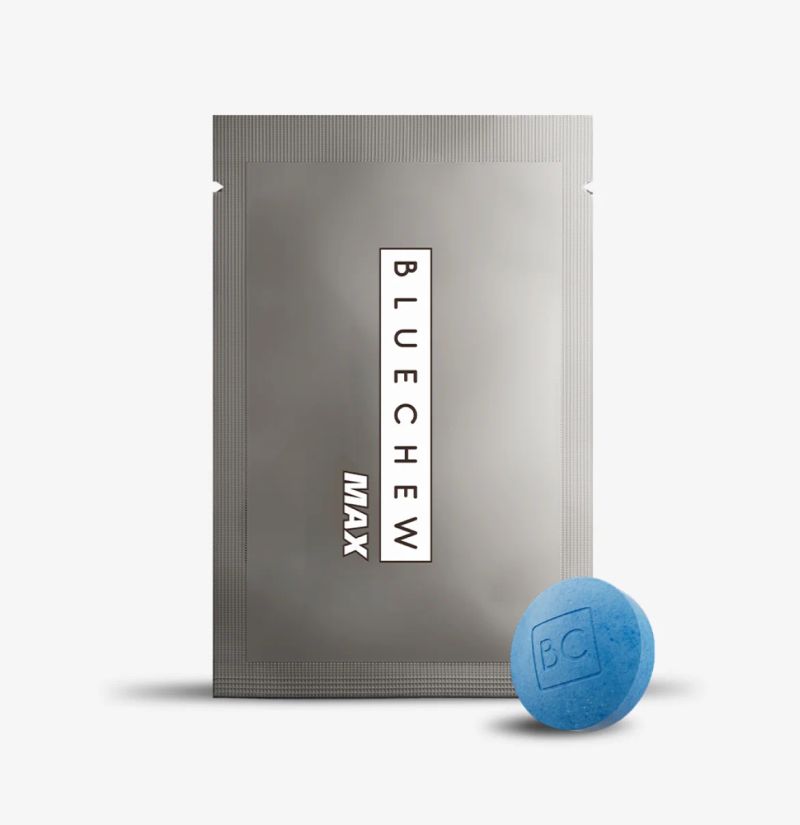
- MAX: 45 mg sildenafil + 18 mg tadalafil combo, $5.63/tablet, lasting up to 36 hours
- VMAX: 14 mg vardenafil + 18 mg tadalafil combo, $5.63/tablet, lasting up to 36 hours
- GOLD: sildenafil, tadalafil, oxytocin, and apomorphine sublingual tablet, from $7.30/tablet, lasting up to 36 hours
SIL, VAR, TAD, MAX, VMAX, and GOLD are available as a sublingual tablet. DailyTAD is a chewable tablet.

Frequently Asked Questions
Can I stop taking my SSRI to fix erectile problems?
Do not stop or reduce your antidepressant without medical guidance. Abruptly stopping SSRIs can cause withdrawal symptoms and may trigger a return of depression or anxiety. There are safer ways to address sexual side effects while protecting your mental health. Talk to your prescriber about options.
How long do SSRI sexual side effects last?
For some people, sexual side effects improve as the body adjusts to medication. For others, they persist during treatment. Because there is no reliable way to predict your response, it is better to discuss symptoms early instead of waiting indefinitely. Your prescriber can help review safe strategies.
Can ED medication be used with SSRIs?
PDE5 inhibitors like sildenafil and tadalafil may be appropriate for some people taking SSRIs, but a healthcare provider should review your specific situation first. A study on tadalafil response data found benefit in men taking antidepressant medications. Safety depends on your medication list, health history, and cardiovascular risk.
Will my partner think something is wrong with me?
Many partners are understanding once they know what is happening. SSRI-related erectile difficulties are a medication side effect, not a reflection of attraction or desire. Clear communication can reduce confusion and pressure. Framing this as something you are working through together often helps preserve closeness.
What if nothing seems to work?
If several strategies do not help, consider asking for a referral to a urologist or sexual health specialist. SSRI-related erectile difficulties can overlap with blood-flow issues, hormone concerns, medication effects, or stress. A broader evaluation can help identify other treatable factors. You still have options.
This article is for informational purposes only and does not constitute medical advice. The content provided here is not a substitute for, and should never be relied upon as, professional medical advice. Always consult your doctor to discuss the risks, benefits, and appropriateness of any treatment. BlueChew offers compounded medications prescribed solely for the treatment of erectile dysfunction and sexual performance enhancement. Compounded medications are not FDA-approved.