How to Get Hard Again When You're Depressed

Depression doesn't just affect your mood. It can affect energy, motivation, relationships, desire, and sexual function, including erections. Researchers studying major depression and ED have explored whether depression may contribute to erectile dysfunction risk, though ED can also involve physical health, medications, stress, sleep, and relationship factors.
The good news is that you do not have to treat this as a personal failure. If your erections have changed while your mood has been low, the next step is to look at the full picture: mental health, medication side effects, lifestyle factors, and whether ED treatment options may be appropriate. BlueChew offers prescription compounded ED medications after an online provider review for eligible patients.
Key Takeaways
- Depression and ED can occur together, and each may affect the other.
- Antidepressants, especially some SSRIs and SNRIs, may contribute to sexual side effects in certain patients.
- Lifestyle habits such as exercise, sleep, stress management, and reduced alcohol use may support both mood and erectile function.
- PDE5 inhibitor medications may be one option to discuss with a licensed provider.
- A coordinated approach can help address mental health and sexual health without treating them as separate issues.

Understanding the Connection: Depression and Erectile Dysfunction
The relationship between depression and ED can involve overlapping mental, physical, and behavioral factors. Depression may reduce desire, increase fatigue, and make intimacy feel harder to initiate. ED may also affect confidence, mood, and relationships.
The Mind-Body Link
Your brain plays a central role in sexual arousal. When depression affects motivation, pleasure, stress response, and attention, sexual function can be affected too.
Possible factors include:
- Lower interest in sex
- Fatigue or low motivation
- Stress and anxiety
- Negative self-image
- Relationship withdrawal
- Medication side effects
- Sleep problems
Depression can also overlap with physical factors that affect erections, including cardiovascular health, hormone changes, alcohol use, and chronic stress. Because ED can have more than one cause, it is important to speak with a healthcare provider if symptoms continue or appear suddenly.
Common Psychological Contributors
The psychological effects of depression can make sexual performance feel more pressured.
Common contributors include:
- Worrying about whether an erection will happen
- Feeling disconnected from a partner
- Avoiding intimacy because of past difficulty
- Monitoring performance instead of staying present
- Feeling less confident or less interested in sex
These patterns can create a cycle: depression lowers sexual interest, ED increases worry, and worry makes arousal harder. Breaking that cycle often means addressing both mood and sexual function together.
Antidepressants and ED
Some antidepressants can contribute to sexual side effects. This does not mean you should stop medication on your own. It means symptoms should be discussed with the clinician managing your depression treatment.
Antidepressants Linked to Sexual Side Effects
SSRIs and SNRIs are commonly prescribed for depression and anxiety, and some people experience changes in libido, arousal, orgasm, ejaculation, or erectile function while taking them.
Antidepressants can affect people differently. Some patients may experience sexual side effects, while others may not. If ED began after starting or changing an antidepressant, bring it up with your prescriber so they can help evaluate your options.
Strategies for Medication-Related ED
If you think your antidepressant may be affecting your erections, do not stop taking it without medical guidance. Abrupt changes can cause withdrawal symptoms or a return of depression symptoms.
Options to discuss with your provider may include:
- Reviewing dose and timing
- Switching to another antidepressant
- Adding another medication
- Addressing sleep, alcohol, stress, or other contributors
- Considering ED medication when appropriate
A randomized trial published in JAMA found that sildenafil for antidepressant-related dysfunction improved sexual function in men taking serotonin reuptake inhibitor antidepressants. This does not mean sildenafil is right for everyone, but it supports discussing ED treatment options with a licensed provider.
Lifestyle Changes That Support Mood and Erections
Lifestyle changes are not a guaranteed fix for depression or ED, but they can support overall health and may help reduce contributing factors.
Physical Activity
Regular movement can support cardiovascular health, mood, stress regulation, and blood flow. Since erections depend partly on healthy blood flow, physical activity can be an important part of a broader ED management plan.
You do not need an extreme routine to start. Walking, cycling, swimming, resistance training, or another activity you can do consistently may be useful. A healthcare provider can help you choose an activity level that fits your health status.
Nutrition, Sleep, and Stress
What you eat, how you sleep, and how you manage stress can all influence both mood and sexual function.
Helpful habits may include:
- Keeping a consistent sleep schedule
- Limiting heavy alcohol use
- Eating a balanced, heart-supportive diet
- Reducing smoking or nicotine use
- Managing stress with therapy, breathing exercises, or mindfulness
- Staying socially connected
If depression is making these habits feel difficult, start small. A short walk, a regular bedtime, or one supportive conversation can still be a meaningful step.
Exploring ED Treatment Options
When lifestyle changes and mental health care are not enough on their own, ED treatment may be worth discussing with a provider.
Understanding PDE5 Inhibitors
PDE5 inhibitors are commonly used ED medications that help support blood flow to the penis when sexual arousal is present. Sildenafil, tadalafil, and vardenafil are examples of PDE5 inhibitors.
These medications do not create automatic erections, and they do not address every cause of ED. They may be considered as part of a broader plan that also looks at depression, medication side effects, anxiety, sleep, and physical health.
PDE5 inhibitors are not right for everyone. They should not be used with nitrate medications, and a licensed provider should review your health history and current medications before prescribing them.
When Combination Options May Be Discussed
Some patients may want to discuss options beyond single-ingredient ED medications. Combination formulations may include more than one active ingredient, but whether they are appropriate depends on health history, medications, and provider review.
A provider can help determine whether ED medication, mental health treatment adjustments, therapy, lifestyle changes, or a combination of approaches makes sense.
Why Telemedicine Can Help
Some men delay ED care because the conversation feels difficult to start. Telemedicine can make the process more private and convenient by allowing patients to complete an online intake from home.
For men already managing depression, online ED care may make it easier to discuss sexual health while continuing separate support for mental health. It is still important to share current medications, health conditions, and any history of heart issues during the intake process.

How BlueChew Addresses Depression-Related ED
When depression and ED overlap, BlueChew provides access to prescription compounded ED medications through an online provider review. Patients complete a medical intake and share health history, current medications, and relevant concerns so a licensed provider can evaluate whether treatment may be appropriate.
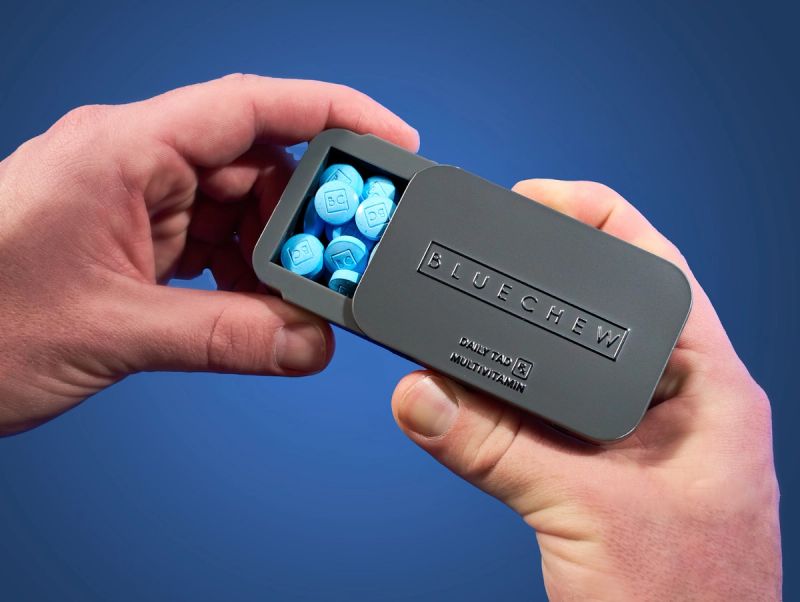
BlueChew offers chewable, sublingual, and liquid medication formats depending on the product. These formats provide options for patients who prefer alternatives to traditional pills.
For patients interested in a multi-ingredient option, GOLD includes sildenafil, tadalafil, oxytocin, and apomorphine in a sublingual tablet. A licensed provider can help determine whether GOLD, MAX, or another treatment path is appropriate. You can also learn more about how fast BlueChew GOLD works.
BlueChew’s complete product lineup includes:
- SIL: 30 mg or 45 mg sildenafil, from $2.95/tablet, works in 15 minutes, lasting up to 6 hours
- TAD: 6 mg or 9 mg tadalafil, from $3.58/tablet, effective within 15 minutes, lasting up to 36 hours
- VAR: 8 mg vardenafil, from $4.34/tablet, takes effect in 15 minutes, lasting up to 6 hours
- DailyTAD: 9 mg tadalafil plus 7 essential vitamins, $2.23/tablet, lasting up to 36 hours
- MAX: 45 mg sildenafil + 18 mg tadalafil combo, $5.63/tablet, lasting up to 36 hours
- VMAX: 14 mg vardenafil + 18 mg tadalafil combo, $5.63/tablet, lasting up to 36 hours
- GOLD: sildenafil, tadalafil, oxytocin, and apomorphine sublingual tablet, from $7.30/tablet, lasting up to 36 hours
For those new to BlueChew, understanding BlueChew options can help explain how online provider review, product formats, and account management work. You can also review how to manage your BlueChew account.
Frequently Asked Questions
Can my depression medication cause erectile dysfunction?
Some antidepressants can contribute to sexual side effects, including changes in desire, arousal, orgasm, ejaculation, or erectile function. If symptoms started after a medication change, talk with your prescriber before making any changes.
How quickly can BlueChew help with ED?
Timing depends on the product, active ingredients, dose, format, food intake, and individual response. BlueChew’s provider-reviewed treatment options include products designed to be taken before sexual activity, and a licensed provider can explain what to expect based on the prescription.
Is it safe to take ED medication if I have depression?
ED medication may be appropriate for some people with depression, but safety depends on health history, current medications, and cardiovascular risk. PDE5 inhibitors should not be used with nitrate medications. Always disclose all medications during an ED consultation.
What's the difference between BlueChew's chewables and sublinguals?
Chewable tablets are designed to be chewed and swallowed. Sublingual tablets are placed under the tongue. BlueChew also offers ENERGY as a liquid shot. The right format depends on the product, availability, and provider guidance.
Are there psychological treatments for depression-related ED?
Yes. Therapy may help address performance anxiety, relationship stress, negative thought patterns, and depression symptoms. Some men may benefit from therapy, ED medication, lifestyle changes, or a combination of approaches guided by healthcare professionals.
This article is provided for informational purposes only and does not constitute medical advice. The information presented is not a substitute for professional medical advice, diagnosis, or treatment. Always consult your healthcare provider to discuss the risks, benefits, and appropriateness of any treatment.
BlueChew offers access to healthcare providers who may prescribe compounded medications for the treatment of erectile dysfunction.
The featured products include compounded medications that have not been approved by the FDA. Compounded medications may be prescribed under federal law but are not the same as, nor are they generic versions of, any FDA-approved medication. The FDA does not review compounded medications for safety, effectiveness, or manufacturing quality of compounded products. A prescription will only be written if deemed appropriate after the digital consultation by the licensed medical provider. Individual results may vary.
BlueChew is not a compounding pharmacy but a telemedicine service that links patients to licensed medical providers.