Prostate Cancer Treatment and ED: What to Expect

Erectile dysfunction can occur after prostate cancer treatment, but the experience differs considerably from one patient to another. Treatment type, sexual function before treatment, other health conditions, and personal circumstances may all influence sexual health afterward.
A recent study of sexual dysfunction in prostate cancer patients documented differences in physical and psychological sexual symptoms according to disease stage and treatment modality. This means that one recovery percentage or timeline should not be applied to every patient.
Sexual health concerns may involve more than erections. Patients may also notice changes in sexual desire, ejaculation, orgasm, confidence, body image, or intimacy. Discussing these possibilities before treatment can help patients and partners prepare for possible changes and understand which questions to raise with the cancer care team.
Key Takeaways
- Sexual changes after prostate cancer treatment vary by treatment type and individual circumstances
- Nerve-sparing surgery does not guarantee preservation of erectile function
- Radiation, surgery, and hormone treatment may affect sexual health differently
- ED management may involve medication, devices, injections, counseling, or surgery
- BlueChew may provide access to an ED consultation, but it does not replace oncology or urology care

How Prostate Cancer Treatment Can Affect Sexual Health
Prostate cancer treatment may involve surgery, radiation, hormone therapy, or a combination of approaches. Each treatment affects sexual function differently.
Possible changes include:
- Difficulty getting or maintaining an erection
- Reduced sexual interest
- Changes in ejaculation
- Changes in orgasm
- Reduced sexual confidence
- Anxiety about sexual performance
- Changes in intimacy with a partner
Not every patient experiences the same symptoms. The presence of ED after treatment also does not establish whether the primary cause is neurological, vascular, hormonal, psychological, medication-related, or a combination of factors.
A patient’s treatment team can provide context based on the treatment received and the patient’s medical history.
Erectile Dysfunction After Prostate Surgery
Radical prostatectomy can affect the structures involved in erectile function. Even when a nerve-sparing technique is possible, erectile function may change after surgery.
A review of sexual health needs after radical prostatectomy identified erectile difficulties, orgasmic changes, distress, unmet support needs, and communication concerns among patients recovering from surgery.
Nerve-sparing surgery aims to preserve the nerve structures involved in erections when doing so is appropriate for cancer treatment. It should not be presented as guaranteeing erectile recovery.
Factors considered during post-surgical discussions may include:
- Erectile function before surgery
- Whether nerve-sparing was possible
- The extent of the operation
- Other medical conditions
- Current medications
- The patient’s treatment preferences
- Changes in orgasm or ejaculation
- Emotional and relationship concerns
Recovery does not follow the same pattern for every patient. Some notice changes gradually, while others continue to require ED treatment.
Orgasm and Ejaculation After Prostatectomy
Erectile function is only one part of sexual recovery after surgery. Patients may also experience changes in ejaculation, orgasm, sensation, and confidence.
The experience of orgasm may differ after surgery. Some patients may remain capable of orgasm even when erections are difficult, while others report changes in intensity or sensation.
These changes can influence:
- Interest in sexual activity
- Confidence during intimacy
- Communication with a partner
- Willingness to try ED treatment
- Satisfaction with sexual activity
Patients should be encouraged to discuss these concerns with the treating team rather than focusing only on erection firmness.
Radiation Therapy and Sexual Function
Radiation therapy may also affect sexual function. Outcomes vary according to the treatment approach, baseline function, other therapies, and individual health factors.
A randomized comparison of stereotactic radiotherapy for prostate cancer and radical prostatectomy found differences in patient-reported sexual and urinary outcomes between the treatment groups. The findings support discussing sexual side effects as part of treatment selection rather than assuming that every treatment produces the same outcome.
The results of one trial should not be used to promise a particular result to an individual patient. Radiation techniques, treatment plans, follow-up periods, and patient populations differ between studies.
Patients considering radiation may ask:
- How could this treatment affect sexual function?
- Will other treatments be given at the same time?
- How will sexual health be monitored?
- What support is available if ED develops?
- Which symptoms should be discussed during follow-up?
Hormone Treatment and Sexual Health
Hormone treatment may be used in some prostate cancer treatment plans. Patients receiving it may report changes in sexual desire, erectile function, energy, mood, or body image.
The effects differ according to the treatment plan and the patient’s circumstances. A fixed outcome should not be assumed.
Patients should discuss changes that affect:
- Sexual interest
- Erectile response
- Emotional wellbeing
- Intimacy
- Treatment adherence
- Quality of life
ED medication should not be presented as addressing every sexual change associated with prostate cancer treatment. Reduced desire, emotional distress, and relationship concerns may require different forms of support.
Does Cancer Stage Determine ED Recovery?
Cancer stage may influence which treatments are recommended, but stage alone does not determine sexual recovery.
Treatment decisions may involve:
- Whether the cancer is confined to the prostate
- Whether nearby tissue is involved
- Whether treatment includes surgery, radiation, or hormone therapy
- Whether nerve preservation is medically appropriate
- Whether several treatments are combined
- The patient’s health and treatment priorities
It is therefore inaccurate to assign a universal ED risk or recovery rate to a particular stage without considering the complete treatment plan.
Patients should ask how the proposed treatment may affect sexual function and whether alternative approaches have different side-effect profiles.
Setting Realistic Expectations
Patients are often given broad recovery estimates that may not reflect their individual situation. A more careful approach is to recognize that sexual recovery can change over time without promising when or how much function will return.
Useful questions include:
- What changes are likely with this treatment?
- Which erectile structures can be preserved?
- When can ED treatment be discussed?
- How will response to treatment be assessed?
- What options are available if the first approach does not help?
- How could treatment affect orgasm or ejaculation?
- Can a partner participate in recovery discussions?
A patient should not be told that a specific rehabilitation plan guarantees spontaneous erectile recovery.
ED Treatment After Prostate Cancer
Management depends on the cancer treatment received, the possible causes of ED, current prescriptions, other health conditions, and patient preferences.
A review of current strategies to improve erectile function after radical prostatectomy discusses personalized assessment and several available management approaches.
Possible options include:
- PDE5 inhibitors
- Vacuum erection devices
- Injectable medication
- Intraurethral treatment
- Penile implants
- Counseling
- Sexual rehabilitation
- Combined approaches
These options are not interchangeable. The appropriate treatment depends on the patient’s medical history, previous response, comfort with the treatment, and clinical assessment.
PDE5 Inhibitors
PDE5 inhibitors include sildenafil, tadalafil, and vardenafil. They may be considered for ED after prostate cancer treatment when a healthcare provider determines that they are appropriate.
Response varies. Patients should not be promised that these medications will restore natural erectile function, repair nerve injury, or produce a specific recovery timeline.
The provider may consider:
- The type of cancer treatment received
- Erectile function before treatment
- Previous ED medication use
- Current prescriptions
- Other health conditions
- The patient’s goals
- Whether another ED approach may be needed
A limited response to one treatment does not establish that every ED option will be ineffective.
Vacuum Erection Devices
A vacuum erection device may be discussed when oral medication is unsuitable, provides an incomplete response, or is not preferred.
The device creates an erection mechanically. Some patients may use it alone, while others may discuss combining it with another approach.
A clinician should explain:
- How to use the device
- How to select an appropriate constriction ring
- What discomfort or side effects to report
- How long the ring may remain in place
- Whether the device is appropriate during recovery
The device should not be promoted as guaranteeing tissue preservation or spontaneous erectile recovery.
Injectable and Intraurethral Treatments
Injectable or intraurethral medications may be considered when oral treatment is ineffective or unsuitable.
These approaches require clinical instruction. The prescriber determines the medication, starting dose, and method of use.
Patients should not begin using an injectable product without training. Results from one treatment method should also not be generalized to every patient recovering from prostate cancer.
Penile Implants
A penile implant may be considered when other treatments do not provide an acceptable result or are not suitable.
This option requires surgery and should be discussed with a urologist who can explain:
- The types of implants
- The surgical process
- Recovery
- Possible complications
- Device maintenance
- Expectations for sexual activity
- The possibility of future revision
An implant creates an erection mechanically. It should not be described as restoring untreated or natural erectile function.
Sexual Rehabilitation
Sexual rehabilitation may involve more than medication. Patients may need support with expectations, communication, confidence, orgasmic changes, or adapting sexual activity after treatment.
Possible areas of support include:
- Understanding physical changes
- Discussing treatment expectations
- Learning how to use ED treatments
- Reducing pressure around penetration
- Exploring other forms of intimacy
- Including a partner when appropriate
- Seeking counseling for distress
This broader approach does not mean that ED is psychological. Physical and emotional effects may occur together.
Partner Communication
A partner may also need time and information to adjust to sexual changes following treatment.
Helpful conversations may address:
- What has changed physically
- What each partner expects
- Concerns about initiating sexual activity
- Fear of treatment failure
- Changes in desire or confidence
- Ways to maintain intimacy
- Whether professional counseling would be useful
Partner involvement should be based on the patient’s preferences and relationship circumstances.
Reviewing Other Medications
Patients receiving prostate cancer treatment may also use medications for unrelated conditions. A complete medication review is important before any ED treatment is prescribed.
The review should include:
- Prescription medication
- Nonprescription products
- Supplements
- Previous ED treatments
- Cancer therapies
- Medications changed during recovery
Patients should not stop or adjust another prescription solely because they suspect it is affecting sexual function. The clinician who manages that treatment should be involved.
Discussing BlueChew After Prostate Cancer Treatment
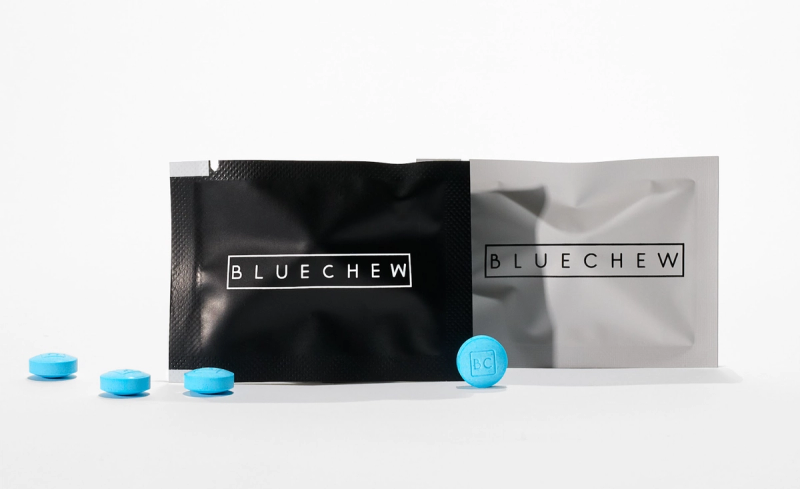
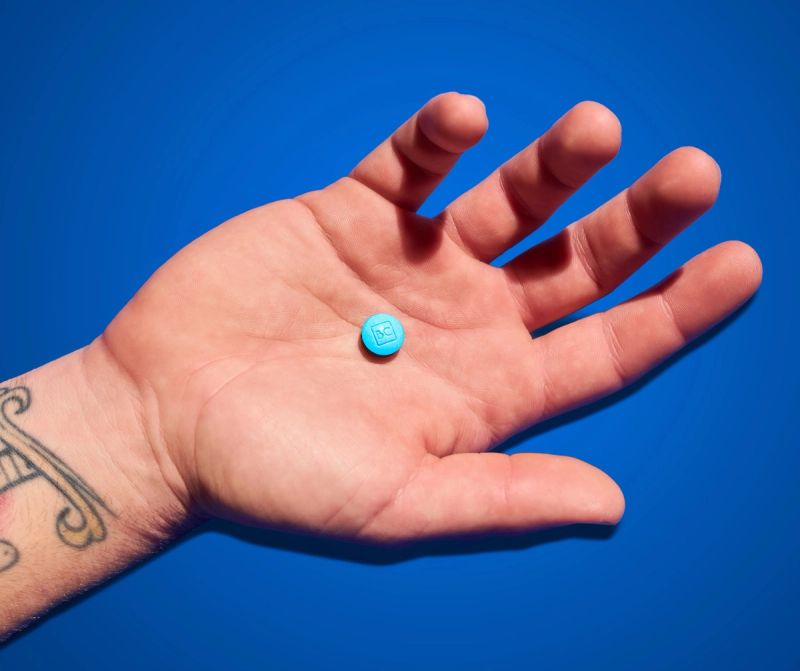
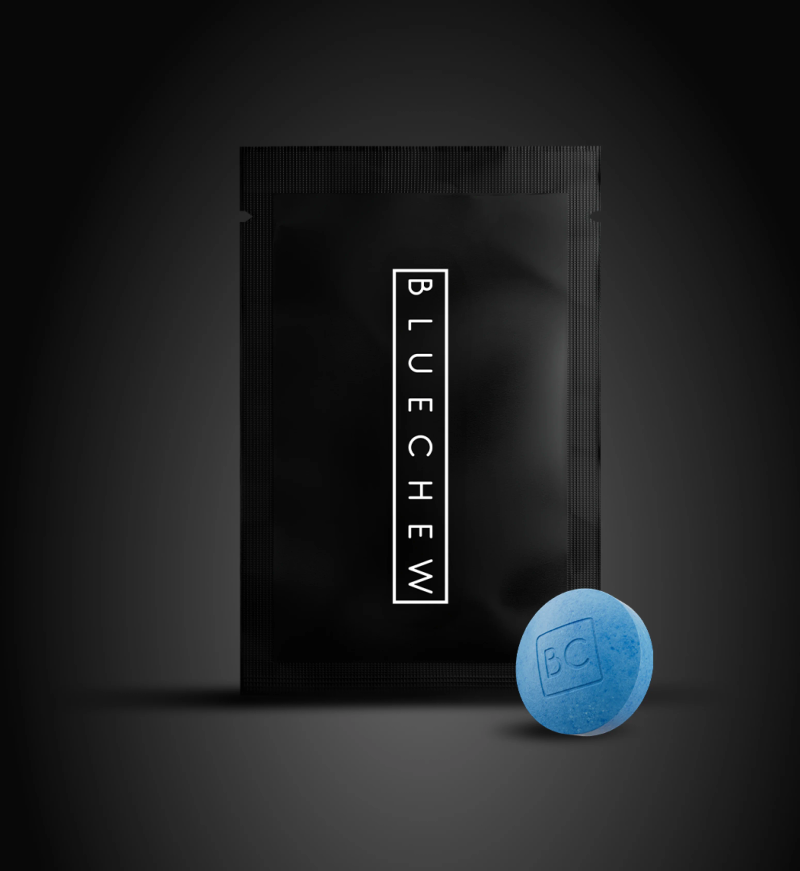
BlueChew provides an online pathway to licensed provider review for compounded ED medication. It does not provide prostate cancer treatment, determine whether cancer therapy caused ED, or replace follow-up with an oncologist or urologist.
A patient seeking a BlueChew consultation after prostate cancer treatment should provide a complete account of:
- The prostate cancer treatment received
- Whether treatment is ongoing
- The date and type of surgery, radiation, or hormone therapy
- Current prescriptions and supplements
- Previous ED treatments
- Changes in erections, orgasm, ejaculation, or desire
- Existing oncology and urology care
The reviewing medical provider determines whether an ED prescription is appropriate. The provider may recommend that the patient return to the cancer care team when the submitted history requires additional evaluation.
BlueChew’s current product lineup includes:
- SIL: 30 mg or 45 mg sildenafil
- TAD: 6 mg or 9 mg tadalafil
- VAR: 8 mg vardenafil
- DailyTAD: 9 mg tadalafil with seven essential vitamins
- MAX: 45 mg sildenafil with 18 mg tadalafil
- VMAX: 14 mg vardenafil with 18 mg tadalafil
- GOLD: Sildenafil, tadalafil, oxytocin, and apomorphine in a sublingual formulation
The appropriate product, formulation, and dosage depend on the licensed provider’s assessment. Products containing more than one ingredient should not automatically be described as more suitable for treatment-related ED.
BlueChew is a telemedicine service, not a compounding pharmacy. The products available through the service are compounded medications that have not been approved by the FDA and are not the same as, or generic versions of, FDA-approved medications.
A BlueChew prescription should not be presented as guaranteed to restore erectile function, repair treatment-related nerve changes, or replace a broader sexual rehabilitation plan.
How To Get Medication Through BlueChew
Interested in getting your hands on a prescription for BlueChew GOLD? BlueChew has got you covered.
Select a plan, complete an online intake, and you’re done. A medical provider will review your information and, if appropriate, prescribe your plan, which will be shipped directly to your door.
No doctor appointments or patient support charges make it a stress-free experience.
Plus, there’s no commitment. You can easily cancel or switch plans anytime.Click here to explore all plan options for treatments at BlueChew.
Frequently Asked Questions
Is ED after prostate cancer treatment permanent?
No single outcome applies to every patient. Sexual function may change differently according to the treatment received and the patient’s circumstances. Some patients use treatment during recovery, while others continue to need longer-term support. The treating team can provide a more individualized discussion.
How long does erectile recovery take?
There is no universal recovery timeline. Fixed estimates can be misleading because patients differ in treatment type, baseline function, other medical conditions, and recovery. Changes may occur gradually, but a particular result cannot be promised. Progress should be reviewed with the treating clinician.
Are ED medications suitable after prostate cancer treatment?
They may be considered when a licensed healthcare provider determines that they are appropriate. The provider should review the cancer treatment history, current medication list, previous ED treatment, and other health information. A prescription does not guarantee a response. Patients should continue follow-up with the clinicians managing their cancer recovery.
What happens if oral medication does not help?
Other options may be discussed, including vacuum devices, injectable medication, intraurethral treatment, counseling, or penile implants. The appropriate next step differs between patients. A limited response to oral medication does not determine whether another treatment will help. A urologist or sexual-medicine clinician can guide the comparison.
Can BlueChew replace oncology or urology follow-up?
No. BlueChew may connect a patient with a licensed provider for an ED consultation. It does not monitor prostate cancer, provide surgical follow-up, or manage radiation or hormone treatment. Questions about cancer recovery should remain with the oncology and urology teams.
This article is provided for informational purposes only and does not constitute medical advice. The information presented is not a substitute for professional medical advice, diagnosis, or treatment. Always consult your healthcare provider to discuss the risks, benefits, and appropriateness of any treatment.
BlueChew offers access to healthcare providers who may prescribe compounded medications for the treatment of erectile dysfunction.
The featured products include compounded medications that have not been approved by the FDA. Compounded medications may be prescribed under federal law but are not the same as, nor are they generic versions of, any FDA-approved medication. The FDA does not review compounded medications for safety, effectiveness, or manufacturing quality of compounded products. A prescription will only be written if deemed appropriate after the digital consultation by the licensed medical provider. Individual results may vary.
BlueChew is not a compounding pharmacy but a telemedicine service that links patients to licensed medical providers.