Prostate Health and Your Sex Life: What Every Man Needs to Know

Prostate conditions can affect more than urinary function. Pelvic discomfort, changes in ejaculation, erectile difficulties, and reduced sexual interest may occur alongside prostate symptoms because the gland is located close to structures involved in urination and sexual function.
Sexual symptoms are particularly relevant in people with chronic pelvic pain syndrome. Symptoms vary considerably between individuals, so a medical evaluation is important before assuming that the prostate is the cause.
Erectile difficulties can also reflect vascular, neurological, hormonal, medication-related, or psychological factors. Diagnosing erectile dysfunction generally involves reviewing medical and sexual history, conducting a physical examination, and considering relevant laboratory testing.
Key Takeaways
- Prostate conditions and their treatments may affect erections, ejaculation, orgasm, and sexual desire
- BPH and erectile dysfunction may occur together without one directly causing the other
- Chronic pelvic pain can involve urinary, pain-related, and sexual symptoms
- Prostate cancer surgery, radiation, and hormone therapy may affect sexual function differently
- ED treatment may involve prescription medication, counseling, devices, injections, or surgery
Understanding the Prostate and Sexual Function
The prostate is part of the reproductive system. It is located below the bladder and surrounds part of the urethra. A review of prostate anatomy and embryology describes the human prostate as having a compact structure surrounding the urethra beneath the bladder.
The nerves and blood vessels involved in erections pass close to the prostate. This proximity helps explain why inflammation, pelvic pain, surgery, radiation, and other prostate-related issues may affect sexual function.
Possible changes include:
- Difficulty getting or maintaining an erection
- Pain or discomfort during ejaculation
- Reduced semen volume
- Orgasm without ejaculation after prostate removal
- Changes in sexual desire
- Changes in orgasmic sensation
- Anxiety associated with pain or sexual performance
These symptoms do not establish a specific diagnosis. A clinician may consider urinary symptoms, medications, cardiovascular health, hormone levels, nerve function, emotional health, and other possible causes.
Common Prostate Conditions and Sexual Health
The main prostate conditions associated with urinary or sexual concerns include benign prostatic hyperplasia, prostatitis, and prostate cancer.
BPH and Urinary Symptoms
Benign prostatic hyperplasia, or BPH, is a noncancerous enlargement of the prostate. As the gland grows, it may narrow the urethra or interfere with bladder emptying.
Possible symptoms include:
- Difficulty starting urination
- A weak urine stream
- An interrupted urine stream
- Urinary urgency
- Frequent urination
- Waking to urinate
- Difficulty emptying the bladder
- Dribbling after urination
BPH and erectile dysfunction may occur together. Published evidence shows a strong association between lower urinary tract symptoms and sexual dysfunction, but it does not establish that one condition always directly causes the other.
Urinary symptoms may also affect sleep, comfort, confidence, and interest in sexual activity. Their presence does not prove that an enlarged prostate is causing erectile dysfunction.
How BPH Treatment May Affect Sex
BPH may be managed with monitoring, medication, minimally invasive procedures, or surgery. Each approach has different potential benefits and side effects.
Some medications can affect sexual desire, erections, ejaculation, or semen volume. A clinical review examining the impact on sexual function found that BPH treatments can produce different sexual effects depending on the medication or procedure used.
Before beginning treatment, useful questions include:
- Could this treatment affect erections?
- Could it change ejaculation or semen volume?
- Could it affect fertility?
- Are the possible sexual side effects temporary?
- What other treatment options are available?
A treatment should not be described as preserving sexual function unless the claim is supported for that specific procedure and patient group.

Prostatitis and Chronic Pelvic Pain
Prostatitis is a broad term covering bacterial infections and nonbacterial pelvic pain conditions. Symptoms may involve the prostate, urinary tract, pelvic floor, nerves, or surrounding tissues.
Possible symptoms include:
- Pelvic or perineal pain
- Lower abdominal discomfort
- Pain in the penis, scrotum, or groin
- Discomfort during or after ejaculation
- Frequent or urgent urination
- Painful urination
- Difficulty starting urination
- A weak or interrupted urine stream
Chronic pelvic pain is not always caused by an infection. Muscle tension, nerve sensitivity, stress, inflammation, and other factors may contribute. Reviews of current treatment options emphasize that management must reflect the individual symptoms and suspected causes.
Antibiotics may be appropriate when a bacterial infection is confirmed, but they are not a universal treatment for chronic pelvic pain.
Management may involve:
- Treatment for a confirmed infection
- Medication for urinary symptoms
- Pain management
- Pelvic-floor assessment
- Psychological or behavioral support
- Treatment for associated erectile difficulties
Physical therapy may be considered when muscle or pelvic-floor involvement is identified. Evidence concerning myofascial manual therapies remains limited, so these approaches should not be described as effective for every patient.
Prostate Cancer Treatment and Sexual Function
Prostate cancer treatment may affect erections, ejaculation, orgasm, sexual desire, or body confidence. The effects depend on the treatment, baseline sexual function, other health conditions, and whether structures involved in erections can be preserved.
A review of prostate cancer survivorship found that sexual effects can follow surgery, radiation, and other prostate cancer therapies. The type and timing of those effects vary.
Prostate Surgery
Radical prostatectomy removes the prostate and nearby tissue, including the seminal vesicles. Because the nerves and blood vessels involved in erections run beside the prostate, they may be stretched, injured, or removed during surgery.
Nerve-sparing techniques may be used when medically appropriate, but they do not guarantee that erectile function will be maintained or restored.
Important predictors include pre-operative erectile function and whether the relevant nerve structures can be preserved. Other factors include vascular health, neurological health, the extent of the cancer, surgical factors, and other medical conditions.
Recovery should not be presented with a fixed percentage or guaranteed timeline. Some people regain useful erections, while others require ongoing treatment.
Removing the prostate and seminal vesicles also prevents the production and release of semen. Reviews of sexual life after prostatectomy describe orgasmic changes, urinary leakage during sexual activity, erectile difficulties, and psychological stress as possible postoperative concerns.
Radiation Therapy
Radiation can affect the blood vessels, nerves, and erectile tissues involved in sexual function. The effects may develop gradually rather than immediately after treatment.
Published reviews of sexual function after radiotherapy describe changes in erections and broader sexual function after prostate cancer treatment.
The likelihood and severity of sexual changes vary. Relevant factors may include erectile function before treatment, vascular health, diabetes, smoking, the radiation area, and other therapies.
Radiation should not be described as causing erectile dysfunction in every patient or within a guaranteed period.
Hormone Therapy
Some prostate cancer treatments lower testosterone or block its effects. This is known as androgen deprivation therapy.
Possible effects include:
- Reduced sexual interest
- Erectile difficulties
- Difficulty reaching orgasm
- Fatigue
- Changes in body composition
Sexual function may or may not improve after treatment ends. Outcomes depend on the therapy, its duration, hormone recovery, and the individual’s broader health.
Treating Erectile Dysfunction After Prostate Treatment
Treatment should reflect the likely cause of erectile dysfunction, the prostate treatment received, current medications, other health conditions, and personal preferences.
Prescription ED Medication
Phosphodiesterase type 5 inhibitors, including sildenafil, tadalafil, and vardenafil, may help support erections by affecting blood flow.
Response after prostate surgery or radiation varies. Nerve preservation, vascular health, baseline erectile function, and the extent of treatment-related damage can influence the result.
These medications are not appropriate for everyone and can interact with other drugs. A licensed healthcare provider should review medications, cardiovascular history, blood pressure, and other relevant health factors.
Injectable Medication
Published reviews of injection therapy for erectile dysfunction describe it as an option when oral medication is ineffective or unsuitable.
The medication is injected into erectile tissue to increase local blood flow. A healthcare professional must provide instructions on dosing and technique.
Possible risks include:
- Pain
- Bruising
- Bleeding
- Scar tissue
- Priapism
Vacuum Devices
A vacuum erectile device uses a tube and pump to draw blood into the penis. A ring may be placed at the base to help maintain the erection.
Possible drawbacks include:
- Bruising
- Numbness
- A cold sensation
- Discomfort
- Reduced ejaculation
These devices do not depend entirely on intact erectile nerves, which may make them useful after some prostate treatments.
Penile Implants
Penile implant surgery may be considered when medication, injections, or vacuum devices do not provide an acceptable result.
An inflatable or malleable device is surgically placed inside the penis. The procedure carries risks such as infection, pain, mechanical failure, and revision surgery.
Implants should not be described as restoring natural erectile function or guaranteeing satisfaction.
Penile Rehabilitation
Penile rehabilitation after surgery may involve PDE5 inhibitors, vacuum devices, injections, or other interventions.
Some treatments may improve erectile function while actively being used. Evidence that rehabilitation consistently restores spontaneous, unassisted erections remains limited.
Counseling and Sexual Support
Pain, anxiety, changes in body image, fear of treatment failure, and relationship stress may affect sexual function.
Evidence examining psychological intervention and phosphodiesterase-5 inhibitor treatment suggests that psychological support may be used alongside medical care for some patients.
Counseling does not mean that the problem is purely psychological. Physical and emotional factors often overlap.
Lifestyle Habits and Sexual Health
Lifestyle changes may support cardiovascular and metabolic health, both of which are relevant to erectile function. They should not be presented as cures for prostate disease, infection, nerve injury, or treatment-related sexual dysfunction.
Helpful habits may include:
- Regular physical activity
- Smoking cessation
- Weight management
- Limiting alcohol
- Managing blood pressure and diabetes
- Addressing sleep problems
- Reducing chronic stress
- Following a balanced eating pattern
A meta-analysis of lifestyle interventions in treating erectile dysfunction found modest improvements, while also noting the need for stronger and more standardized evidence.
The effects of lifestyle changes vary. Persistent symptoms still require clinical evaluation.
Diet and Prostate Health
A balanced diet may support vascular, metabolic, and general health. No individual food should be presented as a proven treatment for BPH, prostatitis, prostate cancer, or erectile dysfunction.
A balanced eating pattern may include:
- Vegetables and fruit
- Whole grains
- Beans and legumes
- Nuts and seeds
- Fish and other lean proteins
- Unsaturated fats
- Fewer highly processed foods
Tomatoes, green tea, pomegranate, cruciferous vegetables, and fish may be part of a balanced diet, but they should not be described as directly treating prostate disease or erectile dysfunction without claim-specific clinical evidence.
Alcohol and caffeine may affect urinary symptoms differently between individuals. Dietary changes should be based on symptoms and medical guidance rather than universal restrictions.
Supplements and Prostate Symptoms
Supplements should not replace medical evaluation or prescribed treatment.
Supplements may:
- Interact with medication
- Affect blood pressure or bleeding
- Contain inconsistent doses
- Include undeclared ingredients
- Delay appropriate medical care
Patients should tell their healthcare provider about all supplements, vitamins, and herbal products they use.
When to Seek Medical Care
Contact a healthcare provider for:
- Difficulty starting urination
- A weak or interrupted urine stream
- Frequent or urgent urination
- Pain during urination
- Pelvic or perineal pain
- Pain during ejaculation
- Blood in urine or semen
- New or persistent erectile difficulties
- A substantial change in sexual desire
- Symptoms that interfere with sleep or daily life
An inability to urinate may represent acute urinary retention, which requires prompt medical assessment.
A painful erection that continues without resolving may be priapism. Reviews of the clinical management of priapism describe ischemic priapism as an urgent condition requiring timely treatment.
An ED assessment may include medical and sexual history, a physical examination, and relevant laboratory testing. Diagnosing erectile dysfunction also involves identifying possible vascular, neurological, hormonal, medication-related, and psychological factors.
Prostate Cancer Screening
Prostate cancer screening should involve an informed discussion of potential benefits, limitations, personal risk factors, and possible harms.
A PSA result may be affected by prostate cancer, BPH, inflammation, or other prostate-related factors. An elevated result does not confirm cancer.
Screening can lead to:
- Repeat blood testing
- Imaging
- Biopsy
- False-positive findings
- Detection of cancers that may never cause symptoms
- Treatment-related side effects
Screening should not be framed as an automatic recommendation based only on age. The decision should reflect personal risk factors, family history, overall health, prior results, and individual preferences.
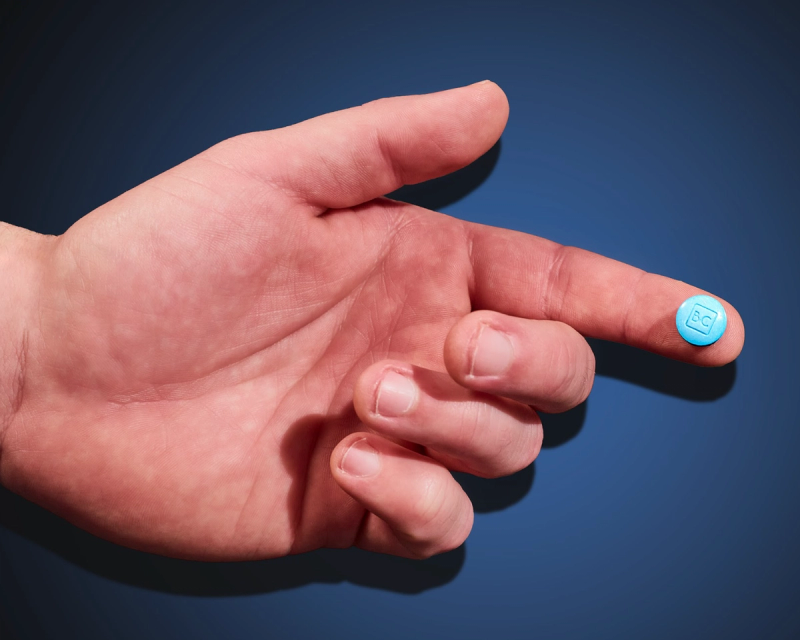
How BlueChew Supports Access to ED Treatment
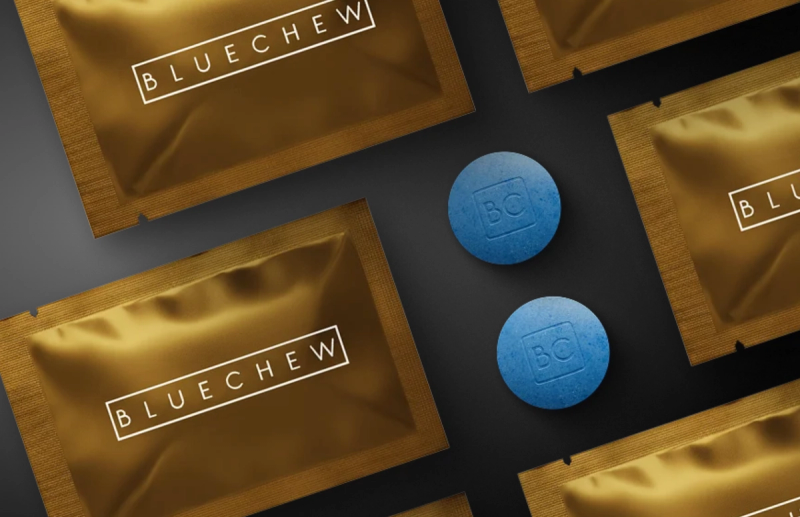
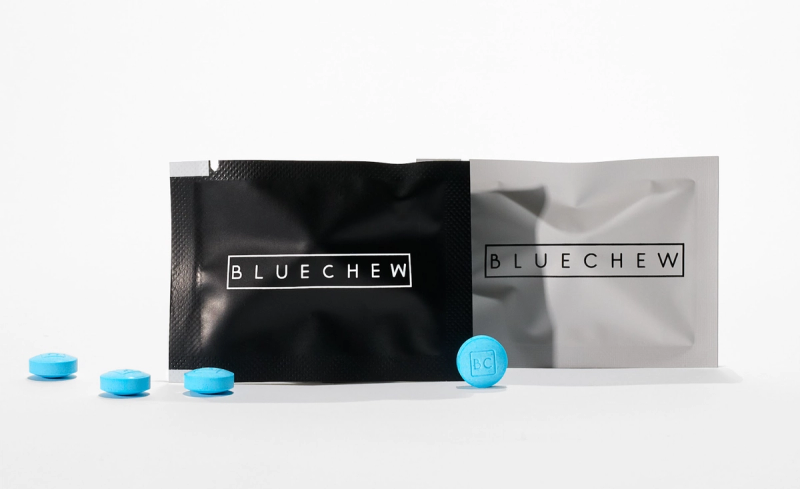
BlueChew is a telemedicine service that connects patients with licensed healthcare providers who may prescribe compounded medications for erectile dysfunction when medically appropriate.
Patients select a plan and complete a digital intake. A licensed provider reviews the information and determines whether a prescription is appropriate. BlueChew is not a compounding pharmacy.
BlueChew’s current product lineup includes:
- SIL: 30 mg or 45 mg sildenafil
- TAD: 6 mg or 9 mg tadalafil
- VAR: 8 mg vardenafil
- DailyTAD: 9 mg tadalafil with seven essential vitamins
- MAX: 45 mg sildenafil with 18 mg tadalafil
- VMAX: 14 mg vardenafil with 18 mg tadalafil
- GOLD: Sildenafil, tadalafil, oxytocin, and apomorphine in a sublingual formulation
Product eligibility, formulation, and dosage depend on the licensed medical provider’s assessment. The products are compounded medications that have not been approved by the FDA and are not the same as, or generic versions of, FDA-approved medications.
BlueChew may provide a convenient route to ED treatment, but it does not replace an evaluation for urinary obstruction, pelvic pain, prostate disease, or complications related to cancer treatment.
How To Get Medication Through BlueChew
Interested in getting your hands on a prescription for BlueChew GOLD? BlueChew has got you covered.
Select a plan, complete an online intake, and you’re done. A medical provider will review your information and, if appropriate, prescribe your plan, which will be shipped directly to your door.
No doctor appointments or patient support charges make it a stress-free experience.
Plus, there’s no commitment, you can easily cancel or switch plans anytime.Click here to explore all plan options for treatments at BlueChew.

Frequently Asked Questions
Can an enlarged prostate cause erectile dysfunction?
BPH and erectile dysfunction may occur together, but BPH is not always the direct cause. They can share vascular, metabolic, lifestyle, and medication-related factors. Urinary symptoms may also affect comfort, sleep, and sexual confidence. A medical evaluation can help identify the most likely cause.
How can prostate cancer treatment affect sex?
Surgery may affect the nerves and blood vessels involved in erections. Radiation may affect erectile tissue and circulation, while hormone treatment may reduce sexual interest and erectile capacity. The effects differ between patients. Expected sexual changes should be discussed before treatment begins.
Can erections return after prostate surgery?
Erectile function may improve after surgery, particularly when the relevant nerves can be preserved, but recovery varies. There is no single timeline or success rate that applies to everyone. Health before surgery, nerve preservation, other medical conditions, and treatment during recovery can influence the outcome. Medication, devices, injections, counseling, or implants may be considered.
Can lifestyle changes treat prostate-related ED?
Lifestyle changes may support cardiovascular health and erectile function. They cannot reliably reverse nerve injury, severe vascular disease, infection, or the effects of cancer treatment. Persistent symptoms require medical assessment. Lifestyle measures are generally used alongside appropriate clinical care.
Do prostate supplements work?
Most supplements are not established treatments for prostate disease or erectile dysfunction. Evidence differs by supplement, dose, formulation, and condition. Supplements should not replace medical evaluation or prescribed care. A healthcare provider should review potential side effects and medication interactions.
This article is provided for informational purposes only and does not constitute medical advice. The information presented is not a substitute for professional medical advice, diagnosis, or treatment. Always consult your healthcare provider to discuss the risks, benefits, and appropriateness of any treatment.
BlueChew offers access to healthcare providers who may prescribe compounded medications for the treatment of erectile dysfunction.
The featured products include compounded medications that have not been approved by the FDA. Compounded medications may be prescribed under federal law but are not the same as, nor are they generic versions of, any FDA-approved medication. The FDA does not review compounded medications for safety, effectiveness, or manufacturing quality of compounded products. A prescription will only be written if deemed appropriate after the digital consultation by the licensed medical provider. Individual results may vary.
BlueChew is not a compounding pharmacy but a telemedicine service that links patients to licensed medical providers.