How to Get Your Sex Drive Back After Depression

Your mood is finally starting to improve. The fog may be lifting, and daily life may feel more manageable again. But one thing may still feel different: your sex drive.
Low libido can happen during or after depression, and research on untreated depression has found that sexual dysfunction can affect desire, arousal, erection quality, and orgasm.
This can feel frustrating, especially if you expected your interest in intimacy to return as soon as your mood improved. Depression, stress, medication side effects, relationship strain, sleep changes, and confidence can all affect sexual desire.
If erectile difficulties are part of the picture, BlueChew offers prescription ED treatments through an online process with licensed provider review when appropriate. Low libido and ED are not always the same issue, but they can overlap.
Key Takeaways
- Depression may affect sex drive through changes in mood, energy, motivation, stress, and emotional connection.
- Some antidepressants may contribute to sexual side effects, but medication changes should only be made with a healthcare provider.
- Low libido after depression can involve psychological, physical, medication-related, and relationship-related factors.
- Lifestyle changes may support mood and sexual health, but they should not be framed as guaranteed cures.
- If ED is also present, prescription ED treatment may help support the physical side of sexual function when appropriate.
Understanding the Link Between Depression and Low Libido
Depression can affect more than mood. It may reduce interest in activities that usually feel enjoyable, including sex and intimacy.
Low libido during or after depression may be related to:
- Fatigue or low energy
- Reduced motivation
- Emotional numbness
- Stress or anxiety
- Poor sleep
- Low self-esteem
- Relationship strain
- Medication side effects
Some men also experience erection difficulties, delayed orgasm, or reduced sexual satisfaction. These symptoms can add pressure and make sex feel more stressful, which may further reduce desire.
How Depression Can Affect Sexual Function
Sexual desire depends on both the mind and body. Depression can affect motivation, pleasure, concentration, sleep, and confidence, all of which can influence libido.
Possible depression-related contributors include:
- Lower interest in sex
- Difficulty feeling pleasure
- Stress or anxiety around intimacy
- Negative self-talk
- Emotional distance from a partner
- Avoidance after a difficult sexual experience
These symptoms do not mean your sex drive is permanently changed. They may be signs that your body and mind are still recovering.
Why Libido May Lag Behind Mood Recovery
Mood and libido do not always improve at the same pace. You may feel more functional at work or in daily life before you feel interested in sex again.
Libido may take longer to return because desire can be affected by:
- Sleep quality
- Stress levels
- Medication effects
- Relationship comfort
- Body image
- Confidence
- Fear of ED happening again
It can help to think of libido as one part of recovery, not proof that recovery has failed.
Could Antidepressants Be Affecting Your Sex Drive?
For some people, antidepressants may contribute to sexual side effects. These may include lower desire, difficulty becoming aroused, delayed orgasm, or erectile difficulties.
This does not mean you should stop taking medication. Depression treatment is important, and stopping antidepressants suddenly can be unsafe.
If you think medication is affecting your sex drive, talk with your healthcare provider. Your provider may review the dose, timing, medication type, or whether ED treatment may be appropriate.
How SSRIs May Affect Sexual Function
Selective serotonin reuptake inhibitors are commonly prescribed for depression, and sexual side effects are reported by some people who take them.
These effects may involve:
- Desire
- Arousal
- Orgasm
- Ejaculation
- Erection quality
A review on antidepressant-related sexual dysfunction notes that sexual side effects may occur with several antidepressant classes and can affect treatment satisfaction. If symptoms began after starting or changing medication, that timing is important to share with your prescriber.
Do not change your medication on your own. Your provider can help weigh the benefits of depression treatment against side effects and discuss safer options.

Medication Options to Discuss With Your Provider
Some antidepressants may have different sexual side effect profiles than others. Your provider can help determine whether a medication adjustment is appropriate based on your symptoms and mental health history.
Possible provider-guided options may include:
- Adjusting the current dose
- Changing when you take medication
- Switching to a different antidepressant
- Adding another medication to address side effects
- Treating ED directly if erection difficulties are present
The right choice depends on your depression symptoms, medication response, and overall health. Never stop antidepressants abruptly.
Strategies That May Help Support Libido After Depression
Getting your sex drive back is usually not about one quick fix. It may involve rebuilding energy, confidence, communication, and physical responsiveness over time.
Helpful strategies may include:
- Getting consistent sleep
- Reducing alcohol intake
- Managing stress
- Increasing physical activity gradually
- Talking openly with your partner
- Reintroducing intimacy without pressure
- Discussing medication side effects with your provider
- Seeking therapy when anxiety, avoidance, or relationship stress is involved
These steps are supportive, not guaranteed. They are most useful when matched to the cause of your symptoms.
Exercise, Sleep, and Stress Management
Physical activity may support mood, circulation, energy, and confidence. It does not need to be intense to be helpful.
Realistic starting points may include:
- Walking
- Light jogging
- Resistance training
- Stretching
- Cycling
- Short home workouts
Sleep is also important. Poor sleep can affect mood, motivation, energy, and sexual interest.
Stress management can also support intimacy. Breathing exercises, mindfulness, therapy, and reducing daily overload may make it easier to feel present and connected.
Rebuilding Intimacy Without Pressure
After depression, sex can feel complicated. You may want closeness but not feel strong desire yet.
It can help to rebuild intimacy gradually through:
- Cuddling
- Kissing
- Massage
- Holding hands
- Focused time together
- Physical affection without pressure for sex
This can reduce pressure and help your body associate intimacy with comfort instead of stress. Desire sometimes returns gradually as emotional safety and confidence improve.
Talking to Your Partner About Low Libido
Low libido can be confusing for partners, especially if they do not understand how depression or medication may affect sexual function. Clear communication can reduce misunderstanding.
You might say:
“I’m feeling better in some ways, but my sex drive still hasn’t fully returned. It’s not about my attraction to you. I want us to stay connected while I figure out what’s going on and talk with my provider.”
Try to have this conversation outside the bedroom. This can make it feel less tied to performance and more like a shared health concern.
When to Consider Medical Support
Consider speaking with a healthcare provider if low libido is persistent, distressing, or affecting your relationship. You should also seek support if sexual symptoms began after starting or changing medication.
Medical support may be especially important if you also have:
- ED
- Pain
- Fatigue
- Sleep problems
- Hormone-related symptoms
- Other changes in physical or mental health
If depression symptoms are returning or worsening, reach out for mental health support promptly. If you are having thoughts of self-harm or feel like you may be in danger, seek emergency help right away or contact a crisis support line in your area.
PDE5 Inhibitors for Erectile Function
Low libido and ED are different, but they can overlap. If erection difficulties are part of your sexual concerns, your provider may discuss PDE5 inhibitors.
PDE5 inhibitors support the blood flow process involved in erections during sexual stimulation. They do not automatically create desire, and they do not treat depression directly.
Common PDE5 inhibitor options include:
- Sildenafil: Often used before sexual activity and commonly associated with a shorter active window.
- Tadalafil: Known for a longer active window, which may allow for more flexibility.
- Vardenafil: Often used before sexual activity and has a similar use case to sildenafil.
Your provider should review your cardiovascular history, medication list, and contraindications before prescribing ED treatment.
How BlueChew May Help With ED-Related Concerns
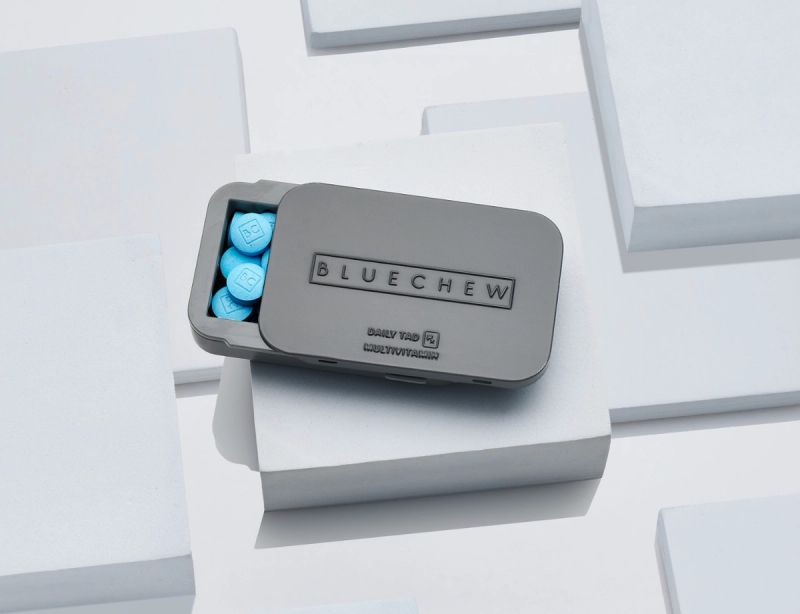
BlueChew offers prescription ED treatments through an online process, with provider review and discreet delivery when prescribed. This may be useful for men who are dealing with erection difficulties alongside low libido after depression.
BlueChew treatments are designed for erectile dysfunction and sexual performance enhancement. Depending on the plan, formulations may include sildenafil, tadalafil, vardenafil, or multi-ingredient options.
BlueChew may be relevant if:
- ED is part of your sexual concerns
- You want to explore prescription ED treatment
- A licensed provider determines treatment is appropriate
- You are also addressing mood, medication, or relationship factors when needed
If your main concern is low desire without erection difficulties, a mental health provider or prescribing clinician may be the better first step.
BlueChew Product Options
BlueChew offers several product options for ED and sexual performance support.
- SIL: 30 mg or 45 mg sildenafil, from $2.95/tablet, works in 15 minutes, lasting up to 6 hours
- TAD: 6 mg or 9 mg tadalafil, from $3.58/tablet, effective within 15 minutes, lasting up to 36 hours
- VAR: 8 mg vardenafil, from $4.34/tablet, takes effect in 15 minutes, lasting up to 6 hours
- DailyTAD: 9 mg tadalafil plus 7 essential vitamins, $2.23/tablet, lasting up to 36 hours
- MAX: 45 mg sildenafil + 18 mg tadalafil combo, $5.63/tablet, lasting up to 36 hours
- VMAX: 14 mg vardenafil + 18 mg tadalafil combo, $5.63/tablet, lasting up to 36 hours
- GOLD: sildenafil, tadalafil, oxytocin, and apomorphine sublingual tablet, from $7.30/tablet, lasting up to 36 hours
To learn more about BlueChew’s process, visit this guide on how BlueChew works.
Frequently Asked Questions
Can depression permanently affect my sex drive?
Depression-related changes in sex drive are often treatable or manageable, but recovery timelines vary. Libido may improve as mood, sleep, energy, confidence, and relationship connection improve. If medication side effects are involved, sexual function may not improve until your provider helps adjust the treatment plan. If low libido persists or causes distress, speak with a healthcare provider instead of assuming it is permanent.
How long does it take for libido to return after depression?
There is no single timeline for libido to return after depression. Some people notice gradual improvement as mood and energy recover, while others need more time, especially if medication side effects or relationship stress are involved. Libido may also improve in stages rather than all at once. If your sex drive has not improved or is causing distress, your healthcare provider can help review possible causes.
Are some antidepressants less likely to affect sex drive?
Some antidepressants may have different sexual side effect profiles, but the best option depends on your depression symptoms, medical history, and treatment response. If sexual side effects are a concern, ask your prescriber whether a medication adjustment is appropriate. Do not switch or stop medication on your own. Your provider can help balance mood stability with sexual health concerns.
What is the difference between low libido and ED?
Low libido means reduced interest or desire for sex. ED means difficulty getting or maintaining an erection firm enough for sexual activity. A person can have one without the other, but they can also overlap, especially when depression, stress, or medication side effects are involved. Understanding which issue is primary can help guide the right treatment approach.
Can lifestyle changes help me get my sex drive back?
Lifestyle changes may support libido by improving mood, sleep, stress levels, energy, and overall health. Regular movement, better sleep, reduced alcohol intake, and open communication with your partner can all be helpful. However, lifestyle changes should not be treated as guaranteed cures, especially if depression or medication side effects are involved. If symptoms persist, medical or mental health support may be needed.
This article is provided for informational purposes only and does not constitute medical advice. The information presented is not a substitute for professional medical advice, diagnosis, or treatment. Always consult your healthcare provider to discuss the risks, benefits, and appropriateness of any treatment.
BlueChew offers access to healthcare providers who may prescribe compounded medications for the treatment of erectile dysfunction.
The featured products include compounded medications that have not been approved by the FDA. Compounded medications may be prescribed under federal law but are not the same as, nor are they generic versions of, any FDA-approved medication. The FDA does not review compounded medications for safety, effectiveness, or manufacturing quality of compounded products. A prescription will only be written if deemed appropriate after the digital consultation by the licensed medical provider. Individual results may vary.
BlueChew is not a compounding pharmacy but a telemedicine service that links patients to licensed medical providers.