How to Talk to Your Doctor About Depression and ED

Discussing depression and erectile dysfunction with your doctor can feel difficult, but it is a conversation worth having. Depression and ED can overlap in ways that affect mood, confidence, sexual function, relationships, and treatment decisions. Research has examined possible biological links between major depression and erectile dysfunction, which is one reason it can be helpful to discuss both concerns together instead of treating them as completely separate issues.
Many men hesitate to bring up ED, depression, or sexual side effects during medical appointments. Embarrassment, uncertainty, and stigma can make it hard to start the conversation. This guide gives you a practical way to prepare, explain your symptoms clearly, and ask your healthcare provider about treatment options that may support both mental health and erectile function.
Key Takeaways
- Depression and ED can overlap through psychological, biological, lifestyle-related, relationship-related, and medication-related factors.
- Preparing symptom details, medication lists, timeline notes, and questions before your appointment can make the conversation easier.
- Some medications used for depression may contribute to sexual side effects, but medication changes should only be made with a healthcare provider.
- ED may sometimes signal broader health concerns, so a medical evaluation can be important.
- Telehealth options like BlueChew may help some men access prescription ED treatment when appropriate.

Understanding the Link Between Depression, Mental Health, and ED
The connection between depression and erectile dysfunction is not always simple. Depression may affect sexual interest, energy, motivation, self-confidence, and the ability to stay present during intimacy.
ED can also affect mental health. Repeated erection difficulties may lead to embarrassment, avoidance, performance anxiety, and relationship tension. Over time, these feelings can make both sexual confidence and mood harder to manage.
For some men, depression appears first. For others, ED begins first and then affects emotional well-being. In many cases, both conditions interact with stress, sleep, medications, alcohol use, relationship dynamics, and physical health.
Why It Helps to Discuss Both Concerns Together
If you only mention ED, your doctor may focus mainly on blood flow, hormones, or medication options. If you only mention depression, your doctor may focus mainly on mood symptoms. Both approaches can be useful, but they may miss part of the picture.
Talking about both concerns together gives your provider a clearer view of what may be happening. It can also help your doctor review whether depression symptoms, medication side effects, performance anxiety, or physical health factors are contributing.
You do not need to know the exact cause before your appointment. Your job is to describe what you are experiencing as clearly as possible. Your provider’s job is to help evaluate the likely contributors and guide next steps.
Preparing for Your Doctor’s Visit
A little preparation can make the appointment more productive. Before your visit, write down what has changed, when it started, and how often it happens.
Try to include both ED symptoms and mental health symptoms. This can help your provider understand whether the timing overlaps.
Helpful details to bring include:
- When ED symptoms started
- Whether symptoms began suddenly or gradually
- Whether ED happens every time or only in certain situations
- Whether you still have morning erections
- Whether you can get erections during masturbation
- Whether depression, anxiety, stress, or relationship issues started around the same time
- Any medications, supplements, or substances you use
- Any recent changes in sleep, alcohol use, exercise, or stress
The more specific you can be, the easier it will be for your provider to help.
Create a Medication and Health History List
Bring a list of all medications you take, including prescriptions, over-the-counter medications, and supplements. This is especially important if you take antidepressants, blood pressure medications, sleep aids, antihistamines, anti-anxiety medications, or medications for pain.
Some medications may affect sexual function. Others may interact with ED treatments. Your provider needs the full list to make safe recommendations.
You should also mention any history of heart disease, high blood pressure, diabetes, hormone issues, sleep problems, pelvic surgery, neurological conditions, or substance use concerns. ED can sometimes be linked with physical health, so these details matter.
Prepare Your Opening Statement
Starting the conversation is often the hardest part. Having a simple opening line ready can help.
You might say:
- “I want to talk about two health concerns that may be connected. I’ve been dealing with erectile difficulties and symptoms of depression, and I’d like help figuring out what may be contributing.”
If you think medication could be involved, you might say:
- “My mood medication has helped in some ways, but I’ve noticed sexual side effects. I don’t want to stop anything without guidance, but I’d like to talk about options.”
If you feel embarrassed, it is okay to say that too. Doctors discuss sexual health and mental health often, and being direct can make the appointment more useful.
Questions to Ask Your Doctor
It can help to bring a written list of questions. This keeps you from forgetting important points once the appointment starts.
Consider asking:
- Could depression, anxiety, or stress be contributing to my ED?
- Could any of my medications be affecting sexual function?
- Should we check for physical causes such as blood pressure, diabetes, hormone levels, or cardiovascular risk?
- Are ED medications appropriate for me?
- Are there any medications I should avoid combining with ED treatment?
- Should I see a therapist, sex therapist, or mental health specialist?
- What symptoms should make me seek follow-up care sooner?
- How will we measure whether the treatment plan is working?
You do not need to ask everything in one appointment. Start with the questions that feel most important.

Depression Treatment and Its Potential Impact on ED
Treating depression is important. At the same time, some treatments for depression may affect sexual function for certain people.
Some antidepressants may contribute to changes in libido, arousal, orgasm, ejaculation, or erectile function. This can feel frustrating, especially if the medication is helping your mood. The right approach is to discuss it with your prescriber rather than stopping medication suddenly.
Medical literature on SSRI-induced sexual dysfunction describes sexual side effects involving desire, arousal, orgasm, and ejaculation. If you notice sexual symptoms after starting or changing an antidepressant, your provider can help determine whether the medication may be contributing and whether adjustments are appropriate.
What to Discuss If Medication Side Effects Are Possible
If you think medication may be affecting your erections, describe the timing clearly. Tell your provider when the medication started, when the sexual symptoms began, and whether the symptoms have changed over time.
Your provider may consider options such as adjusting the dose, changing timing, switching medications, or treating ED directly. These decisions depend on your depression symptoms, current stability, medication history, and overall health.
Do not stop antidepressants abruptly. Sudden changes can worsen mood symptoms or cause withdrawal-like effects. A safer plan should be made with your healthcare provider.
Non-Medication Support for Depression and ED
Medication is not the only tool. Therapy and lifestyle support may also help when depression, stress, anxiety, or relationship tension is part of the pattern.
Cognitive behavioral therapy may help address negative thought patterns, avoidance, and performance anxiety. Sex therapy may help reduce pressure around intimacy and rebuild confidence. Couples counseling may help if communication or relationship stress is contributing.
Lifestyle changes may also support both mood and sexual health. These changes are not guaranteed cures, but they can be useful parts of a broader plan.
Supportive habits may include:
- Getting regular physical activity
- Improving sleep consistency
- Limiting alcohol
- Avoiding nicotine
- Managing stress
- Eating more whole foods
- Talking openly with your partner
- Seeking mental health care when depression symptoms persist
Small changes are often more realistic than trying to change everything at once.
Addressing ED: What Your Doctor May Consider
Your doctor may evaluate both physical and psychological contributors to ED. This may include questions about symptom timing, erection quality, morning erections, medication use, mood, relationship stress, and overall health
A provider may also consider blood pressure, cardiovascular health, blood sugar, cholesterol, hormone levels, sleep, and lifestyle factors when appropriate. ED can sometimes be connected to broader health concerns, so it is worth taking seriously.
Treatment may involve prescription ED medication, therapy, medication review, lifestyle changes, or referral to a specialist. The right plan depends on your health history and the likely causes.
PDE5 Inhibitors and ED Treatment
PDE5 inhibitors are commonly prescribed for erectile dysfunction. These medications support the blood flow process involved in erections during sexual stimulation.
Common PDE5 inhibitor options include:
- Sildenafil: Often used before sexual activity and commonly associated with a shorter active window.
- Tadalafil: Known for a longer active window, which may allow for more flexibility.
- Vardenafil: Often used before sexual activity and has a similar use case to sildenafil.
PDE5 inhibitors are not appropriate for everyone. Before prescribing ED treatment, your provider should review:
- Your cardiovascular history
- Your current medications
- Any contraindications or health conditions that may affect safety
- Whether you take nitrates or have certain heart-related concerns
Why ED Treatment May Help Reduce Performance Pressure
When ED happens repeatedly, sex can start to feel stressful. Instead of focusing on intimacy, you may find yourself worrying about whether your body will respond.
For some men, ED treatment may help reduce uncertainty around the physical side of erections. That can make it easier to focus on connection rather than monitoring performance.
However, ED medication does not treat depression directly. If low mood, anxiety, shame, or relationship stress is part of the pattern, mental health support may still be important.
Exploring Convenient ED Treatment Options
Some men prefer telehealth for ED because it can feel more private and convenient. It may be useful when ED is the main concern and a licensed provider can safely review your medical history.
Telehealth may be a good fit if:
- Your symptoms are not sudden or severe
- You can share your medications and health history accurately
- You are getting separate support for depression or anxiety when needed
An in-person evaluation may be better if ED appears suddenly, worsens quickly, comes with other symptoms, or is linked with unmanaged depression. If you use telehealth, be honest about your medications, health conditions, cardiovascular history, and mental health symptoms so the provider can decide whether ED treatment is appropriate.
BlueChew: Prescription ED Treatment Through Telehealth
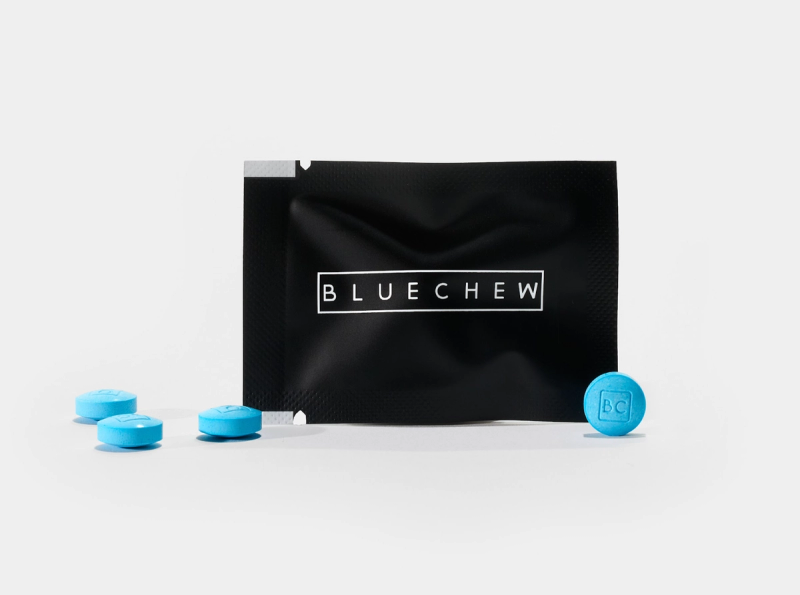
BlueChew offers prescription ED treatments through an online process, with provider review and discreet delivery when prescribed. This may be helpful for men who want a more convenient way to discuss ED treatment options.
BlueChew treatments are designed for erectile dysfunction and sexual performance enhancement. Depending on the plan, formulations may include sildenafil, tadalafil, vardenafil, or multi-ingredient options.
If depression or anxiety is also part of your ED pattern, BlueChew may help address the physical side of erectile function when appropriate. Mental health care may still be needed to address mood symptoms, performance anxiety, or relationship stress.
BlueChew Product Options
- SIL: 30 mg or 45 mg sildenafil, from $2.95/tablet, works in 15 minutes, lasting up to 6 hours
- TAD: 6 mg or 9 mg tadalafil, from $3.58/tablet, effective within 15 minutes, lasting up to 36 hours
- VAR: 8 mg vardenafil, from $4.34/tablet, takes effect in 15 minutes, lasting up to 6 hours
- DailyTAD: 9 mg tadalafil plus 7 essential vitamins, $2.23/tablet, lasting up to 36 hours
- MAX: 45 mg sildenafil + 18 mg tadalafil combo, $5.63/tablet, lasting up to 36 hours
- VMAX: 14 mg vardenafil + 18 mg tadalafil combo, $5.63/tablet, lasting up to 36 hours
- GOLD: sildenafil, tadalafil, oxytocin, and apomorphine sublingual tablet, from $7.30/tablet, lasting up to 36 hours
To learn more about BlueChew’s process, visit this guide on how BlueChew works.

Frequently Asked Questions
Can antidepressants cause ED, and what should I do?
Some antidepressants may contribute to sexual side effects, including changes in libido, arousal, orgasm, or erectile function. If symptoms began after starting or changing a medication, tell your prescribing provider. Do not stop antidepressants suddenly, because that can worsen depression symptoms or cause other problems. Your provider can help review safer options, which may include dose adjustments, medication changes, or ED treatment when appropriate.
Are there discreet ways to get ED treatment without an in-person doctor’s visit?
Yes, telehealth may be an option for some men seeking ED treatment. Platforms like BlueChew allow patients to complete an online intake and receive provider review for prescription ED treatment when appropriate. However, telehealth is not right for every situation, especially if depression is untreated, symptoms are complex, or ED may be linked to another health condition. Be honest about your medical history and medications so the provider can make a safe recommendation.
Do lifestyle changes help with depression-related ED?
Lifestyle changes may support both mood and erectile function, but they should not be treated as guaranteed cures. Regular movement, better sleep, reduced alcohol intake, stress management, and avoiding nicotine may all support overall health. These steps can be especially useful when ED is connected with stress, low energy, or poor cardiovascular health. If ED or depression is persistent, lifestyle changes should be paired with medical or mental health support.
How can I talk to my partner about depression and ED?
Choose a calm time outside the bedroom so the conversation does not feel tied to performance. You might say that you have been dealing with both mood symptoms and erection difficulties, and that you are planning to speak with a healthcare provider. Reassure your partner that ED is not necessarily about attraction or desire. Keeping the conversation open can reduce pressure and help both of you approach the issue as a shared health concern rather than a personal failure.
What should I ask my doctor if I have both depression and ED?
Ask whether depression, stress, medications, or physical health factors could be contributing to your ED. You can also ask whether screening for cardiovascular risk, blood sugar, hormone levels, or medication side effects is appropriate. If you are taking antidepressants, ask whether your current medication could be affecting sexual function and what options may be available. It is also worth asking whether therapy, ED medication, or a combined plan would make sense for your situation.
This article is provided for informational purposes only and does not constitute medical advice. The information presented is not a substitute for professional medical advice, diagnosis, or treatment. Always consult your healthcare provider to discuss the risks, benefits, and appropriateness of any treatment.
BlueChew offers access to healthcare providers who may prescribe compounded medications for the treatment of erectile dysfunction.
The featured products include compounded medications that have not been approved by the FDA. Compounded medications may be prescribed under federal law but are not the same as, nor are they generic versions of, any FDA-approved medication. The FDA does not review compounded medications for safety, effectiveness, or manufacturing quality of compounded products. A prescription will only be written if deemed appropriate after the digital consultation by the licensed medical provider. Individual results may vary.
BlueChew is not a compounding pharmacy but a telemedicine service that links patients to licensed medical providers.