How to Tell If Your ED Is Caused by Depression

You wake up with a strong erection, but when you’re with your partner, things do not go the way you expected. The harder you try, the more pressure you feel, and now you’re wondering whether your ED could be connected to your mental health. Depression and erectile dysfunction can be closely connected, and research has explored shared biological mechanisms between the two conditions.
The brain plays an important role in sexual arousal, and depression may affect desire, attention, energy, confidence, and the body’s sexual response. Understanding whether your ED may be related to psychological factors, physical factors, medication side effects, or a combination of these can help you choose the right next steps.
BlueChew offers prescription ED medications that may help support the physiological side of erectile function when prescribed by a licensed provider. If depression, anxiety, or relationship stress is also part of the pattern, mental health support may be an important part of the overall plan.
Key Takeaways
- Depression and ED can be connected through psychological, biological, relationship-related, and medication-related factors.
- Possible signs of psychological ED include morning erections, situational difficulties, and sudden onset.
- Physical ED often develops more gradually and may happen across most or all sexual situations.
- Some medications used for depression may contribute to sexual side effects, but medication changes should only be made with a healthcare provider.
- Addressing both mental health and erectile function may be more helpful than focusing on one factor alone.
Understanding the Connection Between Mental Health and Erectile Dysfunction
The relationship between depression and ED is not always simple. Depression may reduce sexual interest, make intimacy feel emotionally distant, and increase worry or self-criticism during sexual situations.
ED can also affect mood. Repeated erection difficulties may lead to embarrassment, avoidance, relationship tension, or performance anxiety. Over time, those feelings can make future sexual experiences feel more pressured.
For many men, the issue is not purely physical or purely psychological. It may involve both. That is why a medical evaluation, honest symptom tracking, and mental health support can all be useful.
The Mind-Body Link in Sexual Health
Your brain is part of the erection process. Sexual arousal involves mental focus, emotional comfort, nerve signaling, blood flow, and relaxation.
Depression may interfere with this process in several ways. It can reduce interest in sex, lower energy, increase negative thought patterns, and make it harder to stay present during intimacy. Stress and anxiety can also make the body feel more guarded, which may work against sexual arousal.
Possible ways depression may affect erectile function include:
- Reduced interest in sex
- Fatigue or low energy
- Difficulty feeling pleasure
- Increased stress before or during sex
- Trouble staying mentally present
- Negative self-talk about performance
- Avoidance of intimacy after a difficult experience
These patterns do not mean ED is “all in your head.” Psychological stress can affect real physical responses.
How Depression May Affect Erectile Function
Depression can affect mood, motivation, sleep, appetite, and concentration. These same areas can influence sexual desire and performance.
If you are exhausted, distracted, emotionally disconnected, or worried about disappointing your partner, arousal may be harder to maintain. If you have had ED before, the fear of it happening again can become part of the problem.
Depression may also change daily habits that support sexual health. Reduced movement, poor sleep, increased alcohol use, and lower motivation to seek care can all make ED harder to manage.
Because these factors often overlap, it can be helpful to look for patterns instead of assuming one single cause.
Recognizing the Signs: Could Your ED Be Depression-Related?
Depression-related ED often has clues. These clues do not provide a diagnosis, but they can help you decide whether mental health may be part of the picture.
Psychological ED is often more situational. It may happen with a partner but not during masturbation. It may appear suddenly after a stressful period. It may also vary depending on your mood, relationship tension, or performance anxiety.
Physical ED often develops more gradually. It may happen across most situations, including masturbation and partnered sex. Morning erections may become less frequent or less firm.
Signs That Psychological Factors May Be Involved
Psychological or depression-related ED may be more likely if you notice patterns such as:
- You still wake up with erections
- You can get an erection during masturbation but not with a partner
- ED appeared suddenly after stress, loss, conflict, or a difficult sexual experience
- Your erection quality changes depending on your mood
- You feel anxious before sex
- You monitor your erection instead of focusing on intimacy
- You avoid sex because you are afraid ED will happen again
These signs do not rule out physical contributors. They simply suggest that mental health, stress, or performance anxiety may be part of the pattern.
Signs That Physical Factors May Be Involved
Physical contributors may be more likely if ED develops gradually or happens consistently across different situations.
Possible signs include:
- Morning erections are less frequent or absent
- ED happens during both partnered sex and masturbation
- Symptoms have slowly worsened over time
- You have health conditions that may affect circulation, hormones, or nerves
- You take medications that may affect sexual function
- You have reduced sensitivity, pain, or other physical symptoms
ED can sometimes be connected to cardiovascular, metabolic, hormonal, neurological, or medication-related factors. A healthcare provider can help evaluate what may be contributing.
Questions to Ask Yourself
These questions can help you identify patterns before speaking with a provider:
- Did ED begin around the same time as depression, stress, or anxiety?
- Did it start after a difficult sexual experience or relationship conflict?
- Do you still get morning erections?
- Can you get an erection when you are alone?
- Does the issue happen only with a partner?
- Do you feel pressured, distracted, or worried during sex?
- Have you recently started or changed a medication?
- Are depression symptoms affecting your sleep, energy, or motivation?
Your answers can help guide the conversation with a healthcare provider or therapist.
Beyond Depression: Other Psychological Contributors to ED
Depression is not the only mental health factor that can affect erections. Anxiety, stress, relationship tension, past sexual experiences, and body image concerns can also play a role.
Performance anxiety is especially common. One difficult experience can create fear that it will happen again. That fear can increase pressure during the next sexual experience, which may make ED more likely.
Over time, this can become a cycle of worry, avoidance, and frustration. Addressing that cycle often requires reducing pressure, improving communication, and rebuilding confidence gradually.
The Impact of Performance Anxiety
Performance anxiety can make sex feel like a test instead of a shared experience. When you are focused on whether your erection will last, it can be harder to stay connected to arousal and pleasure.
This anxiety can also create real physical effects. Stress may make the body feel tense or alert, which can work against the relaxed state needed for sexual response.
Signs performance anxiety may be involved include:
- Worrying about ED before sex begins
- Checking or monitoring your erection during intimacy
- Avoiding sex to prevent embarrassment
- Feeling tense or disconnected with a partner
- Needing everything to feel “perfect” before trying
- Feeling discouraged after one difficult experience
Performance anxiety is treatable. Therapy, partner communication, and medical support may all help depending on the situation.
How Relationship Dynamics Can Affect Sexual Health
Relationship stress can also affect erectile function. Conflict, emotional distance, trust concerns, and pressure around sex can make intimacy feel difficult.
Sometimes the issue is not a lack of attraction. It may be that the emotional environment feels tense or unsafe. When sex becomes linked with worry, frustration, or obligation, arousal may become harder.
Helpful steps may include talking outside the bedroom, reducing pressure around performance, and rebuilding nonsexual closeness. Couples counseling may also help when communication has become strained.
Medications That Can Influence Mood and Erection Quality
Some medications used to treat depression may contribute to sexual side effects. These side effects can include lower libido, delayed orgasm, arousal changes, or erectile difficulties.
This can feel frustrating because treating depression is important, yet the treatment may affect sexual function for some people. The right response is not to stop medication suddenly. It is to talk with your healthcare provider about your symptoms and possible options.
Provider-guided options may include reviewing the dose, adjusting timing, switching medications, or treating ED directly when appropriate. The best choice depends on your mental health needs, medication history, and overall health.
Antidepressants and Sexual Side Effects
Selective serotonin reuptake inhibitors and some other antidepressants are commonly associated with sexual side effects. However, not everyone experiences them, and the effect can vary by medication and person.
If sexual side effects appear after starting or changing a depression medication, track when symptoms began and how they show up. This can help your provider decide whether the medication may be contributing.
Medication-related ED can overlap with depression-related ED. In some cases, the underlying depression, the medication, stress, and relationship concerns may all be involved.
Never stop, skip, or change antidepressant medication without medical guidance.
When to Talk to a Doctor or Therapist
It is a good idea to speak with a healthcare provider if ED is persistent, sudden, worsening, or affecting your mental health. A provider can help rule out physical causes and review your medications.
You may also want to speak with a therapist if depression, anxiety, relationship stress, or performance pressure is part of the pattern. Therapy can help you address the thoughts and behaviors that keep ED anxiety going.
Consider seeking support if:
- ED has continued for several months
- You are avoiding intimacy
- Depression symptoms are affecting daily life
- You feel hopeless, ashamed, or highly anxious about sex
- Your relationship is being affected
- You suspect medication side effects
- Morning erections have become less frequent or absent
If you are having thoughts of self-harm or feel like you may be in danger, seek emergency help right away or contact a crisis support line in your area.
Treating Depression-Related ED
Treatment often works best when it addresses both the mental and physical sides of the issue. That may mean therapy, medication review, lifestyle changes, relationship support, prescription ED medication, or a combination of these.
Research on non-organic ED has studied integrated treatment approaches that combine sildenafil with cognitive behavior sex therapy. This type of approach may be useful when psychological factors, performance anxiety, and erection difficulties overlap.
A healthcare provider can help determine whether ED medication is appropriate. A therapist or sex therapist can help address the emotional and behavioral patterns that may be contributing.
Therapy Options That May Help
Cognitive behavioral therapy may help you identify thoughts that increase pressure, such as “this will happen every time” or “my partner will be disappointed.” Reframing those thoughts can reduce anxiety and help you stay more present.
Sex therapy may focus on lowering performance pressure and rebuilding intimacy gradually. Couples counseling may help when communication or relationship tension is part of the issue.
Therapy may help with:
- Performance anxiety
- Avoidance of intimacy
- Negative self-talk
- Relationship communication
- Depression symptoms
- Stress management
- Rebuilding confidence after difficult experiences
Therapy is not a replacement for medical evaluation. It can be one part of a broader plan.
Lifestyle Habits That May Support Sexual Health
Lifestyle changes may support both mood and erectile function, but they should not be framed as guaranteed cures. They are best viewed as supportive steps that can improve overall health.
Regular movement may support circulation, energy, and stress management. Sleep can also affect mood, motivation, and sexual desire. Reducing alcohol and avoiding nicotine may also support sexual health.
Helpful habits include:
- Getting regular physical activity
- Building a consistent sleep routine
- Limiting alcohol
- Avoiding nicotine
- Eating more whole foods
- Managing stress
- Communicating openly with your partner
- Seeking mental health support when needed
Start with small changes. Depression can make big changes feel overwhelming, so consistency matters more than intensity.
How BlueChew May Support Your Treatment Journey
When depression contributes to ED, addressing both psychological and physical components may be helpful. BlueChew offers prescription ED treatments through an online process, with provider review and discreet delivery when prescribed.
BlueChew treatments are designed for erectile dysfunction and sexual performance enhancement. Depending on the plan, formulations may include sildenafil, tadalafil, vardenafil, or multi-ingredient options.
For men whose ED is linked with performance anxiety or low confidence, prescription ED treatment may help support the physical side of the erection process. If depression or relationship stress is also present, mental health care may still be important.
BlueChew Product Options
BlueChew offers several product options for ED and sexual performance support.
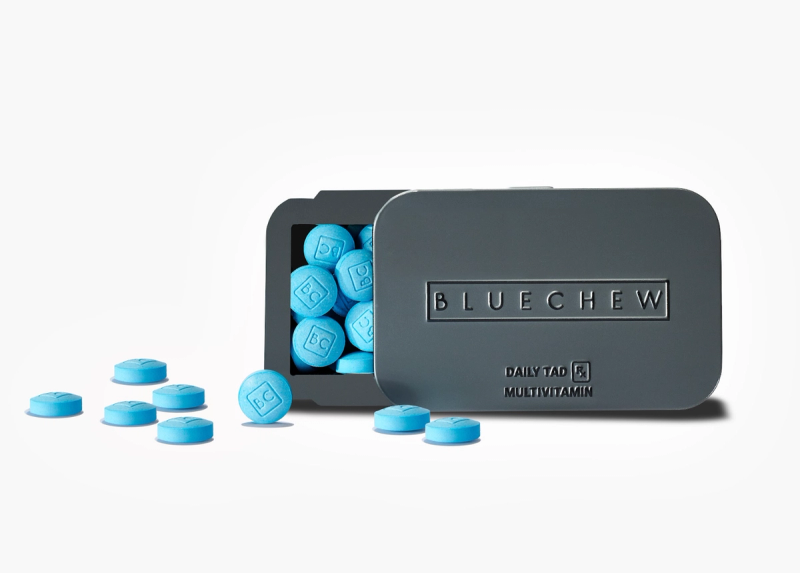
- SIL: 30 mg or 45 mg sildenafil, from $2.95/tablet, works in 15 minutes, lasting up to 6 hours
- TAD: 6 mg or 9 mg tadalafil, from $3.58/tablet, effective within 15 minutes, lasting up to 36 hours
- VAR: 8 mg vardenafil, from $4.34/tablet, takes effect in 15 minutes, lasting up to 6 hours
- DailyTAD: 9 mg tadalafil plus 7 essential vitamins, $2.23/tablet, lasting up to 36 hours
- MAX: 45 mg sildenafil + 18 mg tadalafil combo, $5.63/tablet, lasting up to 36 hours
- VMAX: 14 mg vardenafil + 18 mg tadalafil combo, $5.63/tablet, lasting up to 36 hours
- GOLD: sildenafil, tadalafil, oxytocin, and apomorphine sublingual tablet, from $7.30/tablet, lasting up to 36 hours
To learn more about BlueChew’s process, visit this guide on how BlueChew works.

Frequently Asked Questions
Can depression alone cause erectile dysfunction?
Depression may contribute to ED for some men, even without a separate physical cause. It can affect libido, energy, concentration, confidence, and the mental arousal process involved in sexual response. However, ED can also be related to physical health, medications, lifestyle factors, or relationship stress. A healthcare provider can help determine whether depression is the main factor or one part of a larger pattern.
How can I tell if my ED is physical or psychological?
Morning erections, situational patterns, and onset timing can offer clues. If you still wake up with erections, can get erections when alone, or notice ED mainly with a partner, psychological factors may be involved. If ED develops gradually and happens in most or all situations, physical contributors may be more likely. These patterns are helpful, but they do not replace a medical evaluation.
What are my options if depression medication is causing my ED?
Talk with the healthcare provider who prescribed the medication. They may review the dose, timing, medication type, or whether ED treatment may be appropriate. Do not stop taking antidepressants suddenly, because doing so may worsen depression symptoms or cause withdrawal effects. Your provider can help balance mental health treatment with sexual side effect concerns.
Does therapy help with ED caused by depression?
Therapy may help when depression, anxiety, relationship stress, or performance pressure is contributing to ED. Cognitive behavioral therapy can help identify negative thought patterns that increase pressure during intimacy. Sex therapy or couples counseling may also help rebuild communication and reduce performance-focused anxiety. Therapy may be especially useful when ED varies by situation or is linked to fear of failure.
Can I take ED medication while taking antidepressants?
Some men may be able to use ED medication while taking antidepressants, but it depends on their health history and current medications. A licensed healthcare provider should review your prescriptions, cardiovascular health, and any relevant medical conditions before recommending treatment. This is especially important if you take nitrates or have certain heart-related concerns. Do not combine medications without professional guidance.
This article is provided for informational purposes only and does not constitute medical advice. The information presented is not a substitute for professional medical advice, diagnosis, or treatment. Always consult your healthcare provider to discuss the risks, benefits, and appropriateness of any treatment.
BlueChew offers access to healthcare providers who may prescribe compounded medications for the treatment of erectile dysfunction.
The featured products include compounded medications that have not been approved by the FDA. Compounded medications may be prescribed under federal law but are not the same as, nor are they generic versions of, any FDA-approved medication. The FDA does not review compounded medications for safety, effectiveness, or manufacturing quality of compounded products. A prescription will only be written if deemed appropriate after the digital consultation by the licensed medical provider. Individual results may vary.
BlueChew is not a compounding pharmacy but a telemedicine service that links patients to licensed medical providers.